Best Costa Brava Beaches for a Family Photo Session in 2026
Discover the best Costa Brava beaches for a family photo session in 2026. Top coves, golden sands and stunning backdrops for unforgettable family photos.
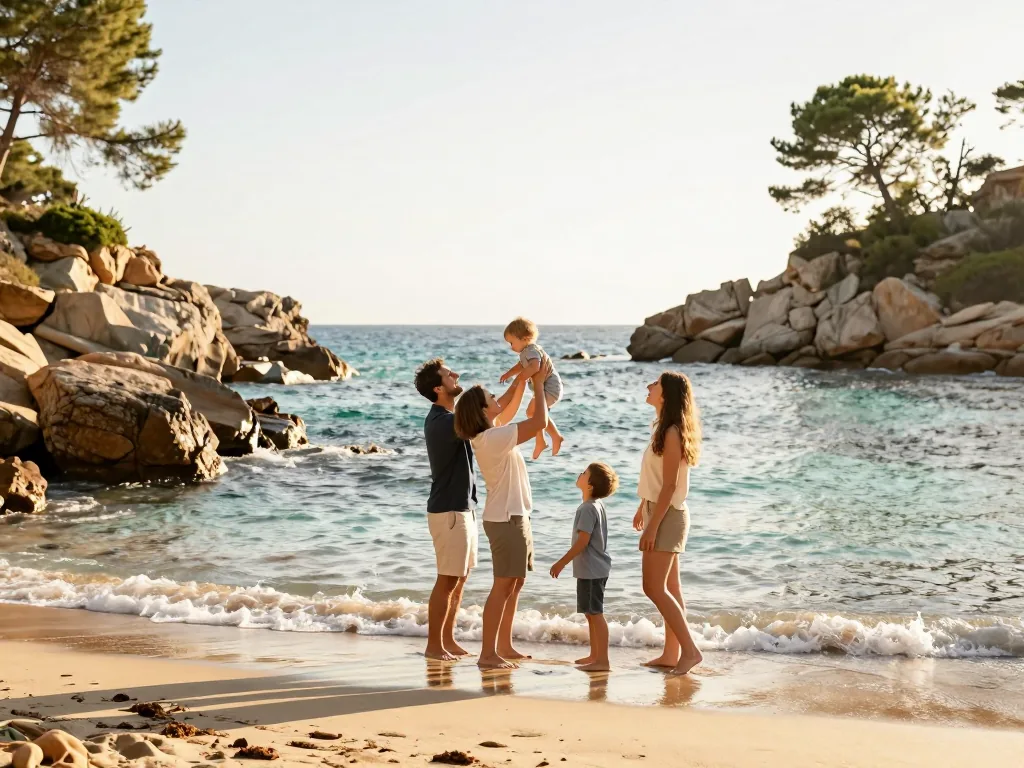
Planning a family photo session on the Costa Brava in 2026 means choosing between dozens of stunning coves, each with its own light, texture, and crowd patterns. This guide cuts through the guesswork. It spotlights the beaches that consistently deliver the best conditions for family portraits: soft morning light, calm shallow water, easy access, and photogenic backdrops. Whether you’re a photographer scouting a location or a parent hoping for relaxed, natural shots, you’ll find practical picks for every age and energy level. Read on to discover where to point your camera and when to show up.
Why the Costa Brava Works So Well for Family Photos
The Costa Brava stretches along the Mediterranean coast of Catalonia, Spain, from Blanes in the south to the French border in the north, and is administratively part of the province of Girona. For families planning a photo session in 2026, this geography is a gift. The coastline alternates between fine-sand coves (calas) and larger sandy bays. Choose a tucked-away inlet for intimate portraits, or a broad beach for wide, energetic group shots. Pine-backed cliffs rise behind many of the beaches, providing natural framing and reliable shade during the hottest part of the day. The Mediterranean climate—hot, dry summers and mild winters—makes outdoor sessions predictable from late spring through early autumn, so you can book a shoot months ahead with reasonable confidence in the light and weather.
Scenery That Frames a Family Naturally
Small coves backed by pine trees and rocky cliffs create built-in composition. With rock walls on one side, greenery overhead, and open sea behind, you often need less posing and can let children move while the landscape holds the frame together. This is especially valuable with toddlers and young siblings, who rarely stay still on command. A photographer can work with the cove’s natural “walls” to keep everyone within the shot. The contrast between warm stone, dark pines, and blue water gives images depth without any props or backdrops.
Child-Friendly Water and Shallow Coves
Summer sea temperatures typically range from about 22°C to 25°C, so shallow coves are comfortable for children to paddle during a session. Gentle entries and calm mornings make it easier to keep kids happy between shots—and happy kids photograph better. Many calas shelve gradually, so even anxious swimmers can stand waist-deep while a parent holds them. If you want a mix of formal portraits and candid play, plan your session for early morning, when the water is calmest and the beach is quietest.
For families booking a professional session on the Costa Brava in 2026, expect photographer rates of roughly €150 to €400 per hour, with many offering half-day family packages from €350 to €900 depending on travel distance and editing included.
Understanding Costa Brava Beach Types Before You Choose
The Costa Brava stretches roughly 200 kilometres from Blanes to the French border, and its coastline is essentially two different landscapes stitched together. In the north, around Begur, Palafrugell and Cadaqués, the shore breaks into dozens of small coves and calas, many carved between pine-covered headlands. Further south, around Palamós, Platja d’Aro and S’Agaró, the bays open into longer, broader sweeps of sand. For a family photo session in 2026, this distinction matters more than any list of “prettiest” beaches. Each type of beach shapes how your shoot will run: how far you carry your gear, how easily your toddler moves, how crowded the background gets, how dramatic the light and scenery look behind you.
Small Coves and Calas
Coves such as Sa Tuna, Aiguablava, Calella de Palafrugell’s little inlets and the hidden calas near Tamariu are the classic Costa Brava postcard: turquoise water, rocky walls, pine trees leaning over the sand, and a privacy larger beaches cannot offer. For photography, they are hard to beat. Rock formations and headlands give you natural framing. The water is often calm and glassy in the morning, and the enclosed shape means you rarely fight a cluttered horizon. The trade-off is access. Many coves require a walk down steps or a sloping path — fine for a family with older children, but a genuine challenge with a stroller, a cooler bag and a change of outfits. These spots also fill up quickly in July and August, so arriving before 9am is close to essential if you want clean backgrounds. They suit families who prefer a compact, controlled setting where children stay within a small area and every shot has scenery built in.
Larger Sandy Bays
Beaches like Platja d’Aro, Sant Pol, Pals and the long stretch at Roses offer the opposite experience. There is room to spread out, flat sand for prams, easy parking nearby, and enough space for children to run, dig and burn off energy between poses. The downside is visual. Wide bays have flatter, busier backdrops, with rows of umbrellas, beach bars and distant buildings that can creep into frame. Timing and camera angle do more work here. Shoot low to the sand to compress the background, or position your family against a dune, a breakwater or the waterline itself. Early morning or the last hour before sunset gives softer light and far fewer people. Expect to pay from €150 to €450 per session for a local family photographer in this region in 2026, depending on duration and travel distance, with cove locations often costing slightly more because of access time.
Timing Your Session Around Light and Crowds in 2026
The biggest factor in how your family photos turn out isn’t the beach you choose — it’s when you shoot. On the Costa Brava, golden hour is the first hour after sunrise and the last hour before sunset, when the sun sits low and throws warm, soft light across the water, the rocks and the pine trees. Midday light is harsh, contrasty and unforgiving — and it’s also when the beaches are most crowded.
Golden Hour and Sunset Timing
In 2026, sunset on the Costa Brava falls between roughly 21:15 and 21:30 CEST at the height of summer. Wonderful for the light, brutal for family logistics: a session ending at 21:45 means dinner after 22:00 and bedtime well past it. For families with children under five, plan around this in advance. Either accept a later night, or shift the whole day — a long siesta, an early dinner before the session, and a relaxed evening afterwards.
Sunrise is the quiet alternative. You get the same warm, low-angle light, plus beaches that are almost entirely empty — a genuine luxury in July and August. The trade-off is a very early alarm: in midsummer, you’ll want to be on the sand by around 06:30 to catch the best of it.
Peak Season Versus Shoulder Season
Summer (June to August) is the busiest stretch on the Costa Brava, with packed car parks, crowded sand and intense midday heat. For photo sessions, early morning or late evening in June, September or early October is almost always the better call.
- June: long days, warm sea, manageable crowds outside midday
- July and August: hottest and busiest, best at sunrise or after 20:00
- September: warm water, fewer people, comfortable evening light
- Early October: quieter beaches, cooler air, shorter golden hour window
If your dates are fixed to peak summer, book your session slot as early as possible. Photographers working the Costa Brava typically charge from €250 to €600 per session for a one- to two-hour family shoot in 2026, and popular golden-hour slots in July and August go first, so aim to reserve two to three months ahead.
Top Family-Friendly Beach Areas for Photos
The Costa Brava’s most photogenic family beach areas cluster around a handful of coves and bays where pine-covered cliffs meet clear, shallow water. For 2026, the standout choices remain the coves around Calella de Palafrugell, Llafranc, Tamariu, the Begur beaches such as Sa Tuna and Aiguablava, and the northern bays near Cadaqués and Roses. Each offers a distinctly different backdrop: whitewashed fishing villages, rugged rock formations, wide-open sea views. The main caveat is crowds: in July and August, these spots fill quickly. Schedule sessions before 9am or after 6pm for softer light and fewer people in the frame.
Calella de Palafrugell, Llafranc, and Tamariu
These three neighbouring coves sit within a short drive of one another and deliver the classic Costa Brava look: whitewashed buildings, pine trees leaning over the sand, transparent water that photographs beautifully in morning light. For families, the appeal is variety without long transfers. Shoot in Calella’s arcaded waterfront, move to Llafranc’s curved bay for wider group shots, then finish in Tamariu’s smaller, more intimate cove. Amenities are close by car or a short walk — which matters when you are carrying children, changes of clothes, and camera gear. Parking fills early in peak season, so arrive before 9:30am or use the paid lots, typically from €8 to €15 per day.
Begur Coves Including Sa Tuna and Aiguablava
The Begur area trades the village feel for drama. Sa Tuna’s tiny inlet, framed by dark rocks and traditional houses, and Aiguablava’s sheltered, shallow bay both give strong contrast and natural framing. Aiguablava is especially practical for families because the water stays calm and the beach slopes gently, making it safer for young children between shots. Sa Tuna and some neighbouring coves require a walk down from the road, sometimes on uneven steps, so check access before committing with toddlers, strollers, or heavy equipment. A local photographer familiar with the area typically charges from €150 to €350 per one-hour family session, depending on travel and editing included.
Cadaqués and Roses Bays
Further north, the bays around Cadaqués and Roses offer broader compositions and a different quality of light, often with a cooler, windier afternoon. These work well for families staying in the northern part of the region who want sea views without the tighter coves of the south. Cadaqués itself provides whitewashed lanes and a rocky coastline, while the Roses bays give longer stretches of sand and calmer morning conditions. Because the tramuntana wind can pick up later in the day, morning sessions are usually more comfortable and produce more consistent results.
Accessibility, Facilities, and Blue Flag Checks
Before falling in love with a photo of a dramatic cove framed by pine trees, check how you will actually get onto the sand. Much of the Costa Brava coastline is rocky and steep, and the prettiest spots are often the hardest to reach. Many coves require walking down flights of steps or uneven dirt paths. Some have no vehicle access at all beyond a roadside lay-by. For a family session with young children, that logistics check matters as much as the scenery.
Steps, Paths, and Stroller Practicalities
Confirm three things before booking: whether the beach has a ramp, steps, or a rough path; how far the nearest parking is from the sand; and whether the final approach involves any climbing. A beach that looks five minutes away on a map can take twenty with a toddler on your hip. If you are bringing a stroller, a tripod, a change of clothes, or a cooler, a shorter, flatter walk will serve you better than a more photogenic backdrop. Beaches in towns such as Calella de Palafrugell and Llançà tend to offer gentler access. Smaller coves around Begur and the Cap de Creus area often demand a proper descent. Ask your photographer directly — they usually know which access points are stroller-friendly and where you can park close to the sand.
Facilities to Look For
Showers, toilets, lifeguards, and a nearby café or beach bar reduce stress and give children natural breaks during a session. These amenities also give you somewhere to rinse sandy feet and change outfits without wrestling with a towel in the car. One useful shortcut is Blue Flag status (Bandera Blava), awarded by the Foundation for Environmental Education (FEE). A Blue Flag indicates good water quality, safety provision, and facilities, and the 2026 list for Catalonia is published annually by the FEE. Treat it as a starting point rather than a guarantee: always verify the current year’s list, since awards change, and check that the specific cove you have chosen appears on it. Combining a Blue Flag beach with confirmed step-free or low-step access gives you the safest, easiest foundation for a relaxed family shoot.
Getting There and Planning Around the Region
The Costa Brava is served by two main airports. Girona–Costa Brava Airport (GRO) sits inland from the northern coves. To be precise: GRO is roughly 25–40 minutes by car from northern beaches such as Cala Montgó, Sa Tuna, and Aiguablava. Barcelona–El Prat (BCN) is about 1.5 to 2 hours from those same coves, but only 45–70 minutes from southern spots like Calella de Palafrugell, Llafranc, and Tamariu. Road access runs via the AP-7 motorway (tolled) and the slower but scenic C-31 and N-II coastal routes. One key planning reality for 2026: travel times between coves are consistently longer than mapping apps suggest, especially from late June through early September, when the narrow access roads to beaches like Cala Sa Riera or Cala Pedrosa can add 20–40 minutes to a short hop.
Airports, Roads, and Drive Times
Choose your airport and accommodation base to minimise driving on session day itself. If your photographer is meeting you at a northern cove, GRO usually wins: you can land, collect bags, and reach the car park within an hour. If your itinerary centres on southern beaches, or you are combining the trip with Barcelona, BCN may be the better anchor — but budget extra time on the AP-7 in summer. A practical rule for 2026: add 30–50 minutes to any drive between coastal towns on weekends in July and August. For a stress-free morning session, stay within 15–20 minutes of your chosen beach the night before.
Parking and Arrival Buffers
Parking near popular coves fills early in peak season, often by 9:00–9:30 AM in July and August. Many beach car parks are small, unpaved, and cost from €5 to €15 per day in 2026, with some charging from €8 to €20 per day at the most in-demand spots. Build in a 20–30 minute buffer before your session start so you can park, apply sunscreen, organise outfits, and walk down without rushing. Travelling with young children? Consider a morning slot before 10:00 AM: the light is softer, the car parks are emptier, and the whole experience feels calmer.
Practical Tips for a Smooth Family Session
A successful family photo session on the Costa Brava depends far less on finding the perfect beach than on preparation. The most photogenic cove in the world will not save a session if a tired three-year-old has missed their nap or everyone is squinting into harsh midday sun. Match the location to your children’s ages. Toddlers do best on wide, gently sloping sandy beaches with easy access. Older kids can handle a short walk down to a rockier cove with more dramatic scenery. Bring shade, snacks, and water, and keep the plan flexible enough to abandon a spot that is not working. If the wind picks up or the beach is busier than expected, a relaxed change of plan almost always produces better photographs than forcing the original idea.
What to Bring and Wear
Light, coordinating clothing in soft, muted colours photographs beautifully against sand, rock, and pine. Avoid large logos and stiff, formal outfits. Linen, cotton, and bare feet suit the setting. Pack water, hats, sunscreen, towels, and a bag that is genuinely easy to carry down steps and across sand, because you will be moving between spots. A change of clothes for younger children is worth the extra weight.
Working With Children and Photographers
Short, playful prompts beat long posing every time. Ask children to run, jump, or collect shells rather than hold still, and let the photographer work around their energy instead of against it. If you hire a professional, expect to pay from €150 to €450 per session for a local family photographer in 2026, depending on duration and edited images. Agree in advance on a backup cove in case of wind, crowds, or access issues, and confirm whether travel to a second location is included in that range.
“The best family photos on the Costa Brava rarely come from the most famous beach. They come from the right beach at the right hour, with children who are comfortable and unhurried.”
Book your session for early morning or the last two hours before sunset, when the light is soft and the beaches are quieter. In peak summer, a 7am start is not excessive; it often means having a popular cove almost entirely to yourselves.
Advanced Considerations for Better Results
Once the basics are set — location, timing, outfits — small technical choices separate good sessions from great ones. Consider light direction, tide, wind, and how the backdrop shifts through the year.
Light Direction, Tides, and Wind
Does your chosen cove face east or west? That determines whether golden hour light falls on faces or behind them. A west-facing beach such as Cala Sa Tuna or the bays around Begur catches warm evening light directly on your subjects — which flips the equation for morning shoots. East-facing coves like Cala Montgó or parts of the Illes Medes shoreline reward early risers with soft front light; at sunset, they tend to backlight silhouettes rather than illuminate faces. If your family has young children who are too tired for golden hour, a north-facing beach offers more even, diffused light across a wider window of the day.
Tide range in the Mediterranean is modest — often under half a meter — but wind changes everything. A strong tramuntana or garbí can turn calm turquoise water into choppy grey within an hour. It affects not just the look of the sea but comfort for kids and the stability of light stands or reflectors. Check a marine forecast the morning of your session and have a wind-sheltered alternative ready.
Backups, Permits, and Local Etiquette
Have a second location in mind. Summer parking near popular coves fills by mid-morning, and a beach that looks empty at 8 a.m. can be packed by 11. Respect local rules, especially in protected areas like the Cap de Creus Natural Park or the Aiguamolls wetlands, where access and drone use are restricted. During busy beach hours, keep equipment compact and avoid blocking access paths.
If your session involves props, a changing tent, or commercial equipment, check whether permission is needed. Some municipalities require a permit for professional photography, typically from €30 to €150 per session, and fines for shooting without one can run higher. A quick email to the local tourist office or ajuntament saves stress. For a family session with a local photographer, expect rates from €150 to €450 per hour depending on experience and travel, with many offering half-day packages from €400 to €900.
Matching the Beach to Your Family’s Needs
The best beach for your family photo session is not necessarily the most spectacular one on the Costa Brava. It is the one that keeps everyone comfortable long enough for the photographer to do their job. Before you fall in love with a dramatic cliff-backed cove you saw on social media, think honestly about your children’s ages, mobility, and patience. A shallow, accessible bay with a car park five minutes away will almost always produce better photographs than a rugged cove that requires a twenty-minute scramble downhill. Happy faces and a relaxed timeline matter more than the backdrop. In 2026, most photographers along the coast charge from €150 to €450 per session, so choose a location that gives you the full value of that time rather than one that has you managing meltdowns.
Younger Children and Toddlers
With babies and preschoolers, prioritise shade, shallow water, short walks, and proximity to facilities. The sheltered bays around Tamariu, along with the calmer stretches of Pals and l’Estartit, offer gently sloping sand, lifeguard cover in season, and cafés or toilets within easy reach — essentials when naps and nappy changes interrupt the schedule. Aim for early morning sessions, ideally starting between 7:30 and 9:00, before the heat and crowds build and while the light is soft and flattering. Bring a pop-up shade tent, snacks, and a change of clothes, and keep the session to around 45 minutes. A toddler who is cool, fed, and not squinting into the sun will reward you with genuine expressions.
Older Children and Extended Family
Families with school-age children, teenagers, or grandparents can afford a location with more character. Coves like Sa Tuna, Aiguablava, or the paths around Calella de Palafrugell offer rock pools, snorkelling, and room to explore, which keeps older kids engaged while the photographer works. Grandparents often appreciate a beach with a level promenade and a nearby restaurant for a post-session lunch. Build in time for swimming as a reward after the photos — it gives children something to look forward to and often produces the most natural, joyful images of the day. If mobility is a concern, check access in advance; some coves involve steep steps or long unpaved tracks that are unsuitable for pushchairs or anyone unaccustomed to uneven ground.
CONCLUSION
Choosing the best Costa Brava beach for a family photo session in 2026 comes down to balancing scenic backdrops, golden-hour timing, accessibility, and child-friendly conditions. This stretch of Catalan coastline offers an unusually rich variety of settings within a short drive. There is the shallow, shell-shaped bay of Calella de Palafrugell, the pine-backed curve of Sa Riera near Begur, the wide, family-friendly sands of Platja d’Aro, and the dramatic coves around Tamariu and Aiguablava. Each brings a different mood to your images, from soft, pastel-toned Mediterranean calm to rugged, cliff-framed drama. The right choice depends on the story you want your photographs to tell.
Timing matters more than location. The Costa Brava’s summer light is harsh between roughly 11 a.m. and 5 p.m., which flattens faces and washes out colour. Aim instead for the golden hour, generally within the first two hours after sunrise or the last two before sunset, when the light turns warm and directional. Late June, September, and early October are the sweet spots for 2026: the sea is still warm enough for children to paddle, the crowds thin out considerably, and accommodation and photographer rates drop compared with peak July and August. A local family photographer will typically charge from €250 to €600 per session, depending on duration, travel distance, and the number of edited images delivered. Book early for these shoulder-season dates.
Practical checks will save you a wasted trip. Verify current access before you commit, since some coves have limited parking, seasonal restrictions, or steep paths that are difficult with a pram or a tired toddler. Confirm whether the beach still holds Blue Flag status, which signals clean water and reliable facilities such as lifeguards and toilets. Check tide times and wind forecasts, as a strong tramuntana can whip up sand and make small children miserable. Finally, always keep a backup cove in mind. If your first choice is crowded, windy, or unexpectedly closed, having a nearby alternative like Llafranc, Cala Castell, or the quieter end of Palamós means you can relocate quickly and still capture beautiful, relaxed family photographs without losing the light.
Frequently asked questions
What makes a Costa Brava beach good for a family photo session?
The best beaches combine soft, clean sand, shallow entry, and a backdrop of pine-covered cliffs or a whitewashed village, so you get both a safe play area and a scenic frame. Look for beaches with some natural shade or rock formations that let you shoot at midday without harsh shadows. Cala Sa Tuna, Cala Estreta, and Platja de Castell are strong examples because they offer varied textures and calm water. Avoid broad, crowded resort beaches unless you shoot at sunrise.
When is the best time of day for a family photo session on the Costa Brava in 2026?
The golden hour, roughly 90 minutes after sunrise or the last two hours before sunset, gives warm, soft light and fewer people. In July and August 2026, sunset falls around 21:15 to 21:30, so a 19:30 start works well for young children. Early morning is even better on popular beaches because parking and sand space are still free. Midday sessions are only advisable in coves with deep shade or on overcast days.
Which Costa Brava beaches are easiest for families with young children?
Platja de Castell near Palamós has a wide, gently sloping sandy shore with shallow water and a historic castle backdrop, making it easy for toddlers to move around. Cala Sa Tuna in Begur, with its pebbly cove and calm water, is also manageable if you bring water shoes. Cala Estreta is stunning but requires a 15- to 20-minute walk, so it suits families with children aged five and up. Always check the day's sea conditions, as some coves can have sudden waves.
Are rocky coves or sandy beaches better for family photos on the Costa Brava?
Sandy beaches like Platja de Castell and Platja d'Ametller de Mar are easier for sitting, crawling, and barefoot play, which keeps children relaxed. Rocky coves such as Cala Estreta or Cala Pedrosa offer dramatic textures and clear turquoise water but can be uncomfortable for little feet. A good compromise is a beach with both sand and rock pools, like Cala Sa Tuna or Cala Aiguablava. If you choose a rocky cove, bring water shoes and plan shorter sessions.
How crowded are the best Costa Brava beaches in summer 2026, and how does that affect photos?
Popular coves like Cala Sa Tuna and Cala Aiguablava fill up by 10:00 in July and August 2026, and parking can be full even earlier. Crowds mean you will either need to shoot at sunrise or choose a less-known beach such as Cala Pedrosa or Platja de Castell. Some municipalities, including Begur, have expanded summer parking restrictions and shuttle services in 2026, so check local access rules before you go. Off-season sessions in May, June, September, and October are far quieter and often photograph better.
What should families wear for a Costa Brava beach photo session?
Light, breathable fabrics in soft neutral or pastel tones work well against the Mediterranean blues and warm sand. Avoid large logos and very bright neon colors, which can distract from faces and clash with the landscape. Bare feet or simple sandals are practical for sandy beaches, while water shoes help in pebbly coves. Bring a light linen shirt or dress for layering if the evening sea breeze picks up.
Do we need a permit to take family photos on Costa Brava beaches in 2026?
For a casual family session with a small camera or phone, no permit is generally needed on public beaches. However, if you hire a professional photographer and use tripods, reflectors, or other equipment, some municipalities may require advance permission, especially in protected areas like the Montgrí, Medes Islands and Baix Ter Natural Park. Rules can vary by town and season, so confirm with the local tourist office or the park office before your session. Always respect any signs restricting access to dunes or protected vegetation.
Which Costa Brava beaches offer the best backdrops for a family photo session?
Cala Sa Tuna pairs a small pebbly beach with whitewashed fishermen's houses and pine trees, giving a classic Costa Brava look. Platja de Castell combines a long sandy shore with the ruins of a medieval castle and dunes behind it. Cala Estreta is known for its rocky platforms, clear water, and natural arches, ideal for more adventurous family portraits. Cala Aiguablava offers shallow turquoise water and a sheltered setting that works well for wide family shots.
What practical tips help a family photo session go smoothly on the Costa Brava?
Book your session outside the hottest hours and bring water, snacks, and a towel for each child so they stay comfortable. Choose a beach with nearby parking or a short walk, because tired children rarely cooperate after a long hike. Check the 2026 beach access and parking rules for towns like Begur, Palamós, and Palafrugell, as summer restrictions are common. Finally, keep the session short, around 45 to 60 minutes, and let children play between posed shots for natural expressions.