Cadaqués Family Photos in 2026: The 7 Best Spots and Golden-Hour Timing for Unforgettable Shots
Discover the 7 best spots in Cadaqués for 2026 family photos, plus perfect golden-hour timing for unforgettable, natural shots.
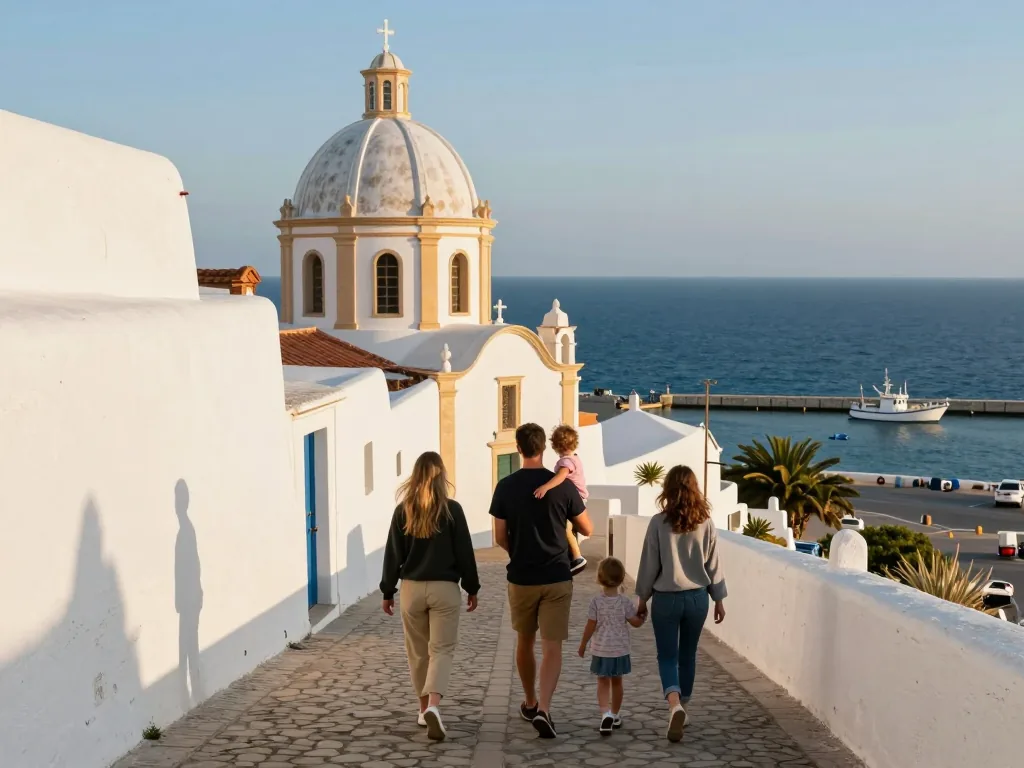
Nestled where the Pyrenees meet the Mediterranean, Cadaqués is one of Spain’s most photogenic villages. Whitewashed facades, winding cobblestones, and Salvador Dalí’s hauntingly beautiful bay form a backdrop where light never repeats itself. For families in 2026, capturing that magic in a single session can feel daunting—especially with summer crowds and shifting golden hours. This guide cuts through the guesswork. You’ll discover seven tried-and-true locations, from the hidden coves of Portlligat to the terraced alleys above the church, each paired with precise timing windows that turn ordinary snapshots into heirloom-worthy frames. Whether you’re a hobbyist with a smartphone or a professional with a full kit, these practical, weather-aware tips ensure your family’s story in Cadaqués is as luminous in print as it is in memory. Let’s find your perfect frame before the sun dips behind Cap de Creus.
Why Cadaqués Is a Unique Backdrop for Family Photos in 2026
The Easternmost Charm of the Cap de Creus Peninsula
Cadaqués holds a singular spot on the map. Perched on the Cap de Creus peninsula in the Alt Empordà region of Girona, Catalonia, Spain, it is the easternmost town on the Iberian Peninsula—and that geographic quirk is pure photographic gold. Jutting into the Mediterranean, the town catches a light that feels almost liquid: low, golden, and diffuse in the first and last hours of daylight, with no inland haze to flatten your images. The coastline, sculpted by tramontana winds into surreal rock formations, frames the sea in ways you won’t find anywhere else. Add the white-washed, cubist-inspired houses clustering down to the harbor, and you have a backdrop for every style: candid shots of kids racing along the stone promenade, posed portraits against a cobalt-blue door, or wide-angle family frames with the church of Santa Maria rising behind you. Salvador Dalí, who lived and painted here, called it the perfect landscape. For family photography, that perfection means your images will look timeless, not dated, for decades.
What Has Changed for Visitors in 2026
Timing is everything in 2026 if you want clean backgrounds and cooperative children. Peak tourist season still runs from mid-June to mid-September, with pedestrian traffic heaviest between 11 AM and 6 PM—exactly when the sun is harshest and shadows least flattering. That double whammy of crowds and harsh light can turn a dream session into a stressful scramble. The smart move? Book your family photo session for a Monday or Tuesday outside Spanish public holidays. Those are the quietest days of the week, when local businesses are open but day-trippers from Barcelona or Girona haven’t yet flooded the streets. Morning sessions between 8 AM and 10 AM give you soft, directional light and empty plazas, while the golden hour—roughly 7:30 PM to 9 PM, depending on the month—turns the facades warm amber and the sea into molten gold. For professional photographers in 2026, expect to pay €250 to €600 per hour for a local specialist who knows the hidden corners. Want a full 90-minute session with edited digital files? Budget €400 to €900 in total. The investment is worth it—because in Cadaqués, the light itself is the second photographer.
Planning Your Session: Permits, Rules, and Practical First Steps
Before you chase that perfect golden-hour glow along the water, a little groundwork will save you from mid-shoot headaches. The good news? Casual family photos—the kind where you hand your phone to a friend or set up a tripod for a group shot—require no official permission in Cadaqués. You’re free to snap away in public spaces like the beach, the promenade, and the winding streets. But the rules tighten the moment money changes hands.
If you’re hiring a professional photographer, even for a “personal” family album, the Ajuntament de Cadaqués classifies this as a commercial shoot. Commercial work—defined as any session where the photographer is paid or the images could be sold or licensed—requires prior authorization from the town hall. The process is straightforward but not instant: you’ll need to submit your photographer’s details, the proposed locations, and the time window. Expect a response within a few business days, and budget anywhere from €40 to €120 per session for the permit fee, depending on duration and number of locations. Don’t skip this step; fines for unpermitted commercial shoots in this tight-knit coastal town aren’t a risk worth taking. A quick email or visit to the Ajuntament’s tourism office before your trip will clarify your status and keep your session stress-free.
For what to wear and carry, think lightweight and breathable. The Mediterranean sun is intense even in the late afternoon, so natural fabrics like linen and cotton are your friends. Stick to neutral or pastel palettes—soft whites, sandy beiges, dusty blues, and gentle pinks—which harmonize beautifully with Cadaqués’ whitewashed facades and the deep sapphire of the sea. Avoid neon colors and busy patterns; they compete with the scenery rather than complement it.
Beyond clothing, pack a small day bag with water (you’ll be walking and laughing a lot), high-SPF sun protection, and a lightweight blanket. That blanket is a game-changer for sitting on hot stone steps or rocky viewpoints without discomfort. Finally—and this is non-negotiable—bring comfortable walking shoes with good grip. The cobblestone streets are charming but uneven, and the last thing you want is a twisted ankle right before the best light of the day. With these practicalities handled, you’re free to focus on what matters: being present with your family in one of the most photogenic corners of the Costa Brava.
The Seven Best Photo Spots in Cadaqués
Passeig Marítim: The Waterfront Promenade
The most accessible spot in town. Fishing boats bob against stone moorings while the iconic white-and-ochre houses stack behind them like a painted backdrop. Arrive before 10 AM, when the light is soft and diffuse and the promenade is nearly empty—just a few locals sweeping doorsteps. Position your family near the boat moorings, not the central terrace, so hulls and ropes add texture to the foreground. The gentle lapping of waves helps relax stiff poses. Let the kids lean over the edge and watch the water while you shoot from a low angle.
Església de Santa Maria: The Hilltop Church
A short, steep climb rewards you with elevated views over the rooftops and the entire bay. The whitewashed facade and simple stone steps frame your subjects cleanly—no distracting signs or railings. Come in late afternoon, around 17:00 to 18:00, when warm light rakes across the stone and softens facial shadows. Have the family sit on the steps rather than stand in a line; staggered heights create a natural composition. Be mindful of the narrow path—hold younger children’s hands on the way up.
Carrer des Call and Carrer del Sol: Narrow Cobblestone Streets
Perfect for candid walking shots and playful moments. Whitewashed walls bounce light beautifully, reducing harsh contrast even at midday. Shoot in late morning (10:30 to 12:00) or early afternoon (14:00 to 15:30), when sun filters through gaps between buildings and casts dappled patterns on the cobbles. Have the family walk toward you in a loose group, looking back over their shoulders, or pause at a doorway for a quiet moment. The uneven stones add character—but watch your step.
Mirador de Ses Oliveres: The Overlook Viewpoint
A sweeping panorama of the bay, the town, and the Cap de Creus headland in the distance. Ideal for wide family shots with the sea spreading out behind you. Visit during golden hour—about one hour before sunset—for warm tones and long shadows stretching across the hillside. The path is short but uneven, so keep a hand on toddlers. For drama, have everyone stand close together facing the sea while you shoot from slightly above.
Platja Gran: The Main Beach
Best photographed before 10 AM, when the sand is still cool and the light gentle. The beach remains open year-round in 2026, with no seasonal closure. Use the early light to capture children playing at the water’s edge, the town rising behind them in soft focus. Avoid midday entirely—the sand reflects intense light, causing squinting faces and blown-out highlights. A quick 20-minute session here yields more natural smiles than an hour under the noon sun.
Portlligat Area: The Eastern Side of the Bay
For summer sunsets, the sun sets behind the western hills, so the eastern side of the bay near Portlligat offers the best backlighting. Quieter and more rugged, with rocky outcrops and calm, reflective water. Position your family on the low rocks facing the sunset, and shoot into the light for a golden rim effect. Note that Salvador Dalí’s house is a separate attraction—not part of the photo spot itself—so don’t expect to use it as a backdrop without paying admission.
Hidden Corners Near the Cap de Creus Natural Park Edge
Just outside the town center, the park’s marked paths lead to small coves and wild, untamed vegetation—no buildings in frame. Perfect for adventurous families wanting a natural backdrop of gnarled junipers and wind-carved granite. Stay strictly on the marked paths to protect the flora; park rangers are vigilant in 2026. Visit in late afternoon when the low sun casts long, dramatic shadows across the rocky terrain. The walk is moderate, so bring water and sturdy shoes.
Golden-Hour Timing for 2026: Sunrise and Sunset Windows
Summer Months: June to August
During peak summer, early risers in Cadaqués are rewarded with a sunrise golden hour from roughly 7:30 to 8:30 AM. The most flattering light arrives 30 to 60 minutes after the sun crests the Mediterranean, when the old town’s whitewashed facades take on a honeyed glow and the sea turns to liquid gold. For families, this is the calmest stretch of the day—streets are quiet, air is cool, and day-trippers haven’t yet arrived. Sunset golden hour, on the other hand, runs from 7:30 to 9:00 PM, with the richest colors surfacing 60 to 90 minutes before the sun drops below the horizon. For those evening shots, head to the Portlligat side of the bay. From across the water, you’ll frame the entire town as fading light paints the rooftops amber and rose, while the sea mirrors the sky. Arrive 20 minutes early to settle the kids and compose before the magic window opens.
Spring and Autumn: March to May, September to November
The shoulder seasons are arguably the best-kept secret for family photography here. Sunrise golden hour shifts to roughly 8:00 to 9:00 AM, and sunset runs from 5:30 to 7:00 PM. Milder temperatures—typically 18–24°C—and far fewer tourists mean you can shoot without strangers wandering into frame. For families with young children, the autumn sunset window is a blessing: a full session ends by 7:00 PM, and kids are in pajamas by 8:00. Spring and autumn light also sits lower and more directional, casting longer shadows and adding depth to portraits. Late September, in particular, delivers a soft, hazy quality that flatters every skin tone.
Winter Months: December to February
Winter turns Cadaqués into a painter’s dream. From the town’s perspective, both sunrise and sunset occur directly over the sea, producing dramatic, low-angle light that rakes across the water and illuminates the village from behind. Sunset golden hour falls between 5:30 and 7:00 PM, but the sun sets quickly—you’ll have roughly 45 minutes of usable light, so plan a shorter, more focused session. The upside: winter light is softer and more diffused, ideal for moody, artistic portraits that feel intimate and timeless. Empty streets and crisp air add a quiet, contemplative atmosphere summer can’t replicate. For best results, position your family on the waterfront promenade near the church, where the low sun rim-lights your subjects and creates a natural halo.
Managing Crowds and Choosing the Quietest Days
A Cadaqués family photo session lives or dies by one invisible element: space. When the narrow, whitewashed streets and the iconic church square are packed shoulder-to-shoulder, even the most beautiful light can’t save a frame from feeling chaotic. So your first strategic move is picking the right day. Mondays and Tuesdays—outside Spanish public holidays—are your quietest windows. The weekend trippers from Barcelona and Girona have retreated, and the town exhales. Skip weekends entirely, and stay wary of the hours between 11 AM and 6 PM, when pedestrian traffic peaks: cruise ship day-trippers, lunch crowds, and afternoon strollers all converge on the promenade and the beach. Early mornings win across every location, but especially for the waterfront and the sandy cove, where the shoreline sits clear and the water lies glassy.
If your travel dates force you into peak season—roughly mid-June through mid-September—you’ll need a more tactical approach. Book your session for sunrise or the final hour before sunset, not just for the golden light, but because those are the only times the crowds thin to a manageable trickle. A 7:30 AM start in July isn’t a punishment; it’s a privilege. For midday resilience, keep a backup plan etched into your mind. The narrow, shaded streets behind the church—especially Carrer des Call and its offshoots—offer intimate, textured backdrops that feel less congested, since people flow through them quickly. The Mirador de Ses Oliveres, a quieter overlook just above town, makes another excellent pivot: sweeping coastal views without the crush of the main beachfront. The key is flexibility in your shot list. If the promenade feels like a festival, don’t fight it—shift to a doorway, a stone stairwell, or the olive tree grove. A photographer who can pivot in the moment always returns with better frames than one who stubbornly waits for a crowd to disperse. And if you crave a truly private session, consider a weekday in late September or early October: the light stays warm, the water remains swimmable, and the town is nearly yours alone.
Rules for the Cap de Creus Natural Park and Drone Use
Drone Authorization and No-Fly Zones
Before you unpack the camera bag, know this: Cap de Creus Natural Park—which covers nearly every iconic viewpoint around Cadaqués, from the rugged coastline at the lighthouse to the cliffs above Portlligat—operates under strict environmental protection laws. Drones are prohibited within park boundaries unless you obtain prior, written authorization from the park office (Oficina del Parc Natural). That is not a suggestion; it is legally enforced. Even with a permit—rarely granted for recreational family shoots—you must avoid flying over crowds, private terraces, or directly above the Santa Maria church and the old town’s narrow streets. The airspace over Cadaqués village itself also falls under general aviation restrictions, given its proximity to residential areas and emergency helicopter routes. My practical advice? Leave the drone home. The best family photo angles in Cadaqués come from ground level, using natural terraces and stone staircases. If you must attempt aerial shots, email the park office at least four weeks ahead, expect a response taking several weeks, and prepare for a likely denial. For current 2026 regulations, check the Generalitat de Catalunya’s park website—but skip outdated travel blogs and call the office directly the week of your trip.
Staying on Marked Paths and Protecting Flora
The park’s flora is not merely decorative; it’s legally protected. That includes endemic sea fennel, rock samphire, and the delicate maritime juniper clinging to wind-sculpted granite. Stepping off the marked trails—even one foot onto a vegetated patch for a “better angle” of your family against the Mediterranean—is both a fineable offense and ecological harm that takes years to recover. This applies equally to the rocky coves near Portlligat, where crumbling slate paths narrow and the temptation to climb boulders for a dramatic sunset shot runs high. Resist it. Instead, use the existing stone steps, the bare flat granite slabs, and the wide sandy areas at the water’s edge. For a family portrait with the Dalí house’s iconic white cubes behind you, position your group on the designated viewing platform at the end of the paved walkway—you’ll get the same stunning result without trampling fragile coastal scrub. Park rangers patrol regularly, especially during peak summer months and golden hour; fines for off-path walking range from €300 to €1,500 per person. More importantly, respecting these rules ensures the same wild, raw beauty you’re photographing remains pristine for your family’s future visits—and for everyone else’s.
Advanced Tips for Professional or Semi-Professional Photographers
Working with Mixed Light on Whitewashed Streets
Cadaqués’ iconic whitewashed facades are both a gift and a trap. They act as massive, natural reflectors, bouncing harsh Mediterranean sunlight into every shadow—wonderful for filling in faces, but perilous for highlight retention. In the narrow alleys off the Riba, you’ll often face a split scene: one side of the street in deep shade, the other blazing at full midday intensity. Your camera’s evaluative metering will likely compromise and blow out the white plaster. Switch to spot metering, lock it onto the subject’s face, and deliberately underexpose by two-thirds to a full stop. This preserves texture in the lime-washed walls while keeping skin tones natural. Around 1:00 PM, when mixed light gets truly challenging, bracket your shots—three frames at -1, 0, and +1 EV—to give yourself recovery options in post. But the real professional cheat is to avoid the fight altogether: schedule your session for the last 90 minutes before sunset. Then the white walls become warm reflectors, casting a honeyed glow onto your subjects, and your post-processing workload drops dramatically. If you must shoot earlier, position families so the shaded side is behind the camera, using the sunlit wall as a giant softbox behind you.
Directing Families for Natural, Candid Results
Forget “everyone look here and smile.” That produces stiff, lifeless portraits that scream 2015. In 2026, the most sought-after family photos from Cadaqués feel like a documentary of a perfect afternoon. Achieve this by directing movement, not poses. Walk with the family through the callejones, pausing only for a few seconds at doorways and arches—but keep them moving. Have children run ahead on the promenade toward the church tower, then call them back. Ask parents to whisper a private joke to each other while the kids are distracted; the resulting genuine laughter is worth more than any forced grin. For the classic shot of the family walking away toward the sea, have the youngest child skip, not walk, and let the parents trail naturally. Technically, you must be ready: set your shutter speed to 1/250s or faster to freeze motion without blur. Use continuous autofocus (AF-C) and burst mode, firing 3–5 frames per interaction. Pick the middle frame where expressions peak. This approach yields a contact sheet full of usable, emotional images—and your clients will treasure the authentic moments far more than a perfectly aligned formal portrait.
Cadaqués light shifts character hourly, so a flawless family session isn’t just about finding a pretty spot—it’s about sequencing those spots to chase the sun. Below are two tested timelines, one for summer, one for spring, balancing golden light, thinner crowds, and easy walking. Treat them as templates; your photographer can adjust by 10–15 minutes to match the exact sunrise or sunset.
A 90-Minute Sunrise Session in Summer
Summer midday sun is brutal, so sunrise is your ally. At 7:15 AM, start at Platja Gran, the main beach. The sand’s still cool, the water glassy, and the low-angle light washes the whitewashed facades in warm peach. Let the kids sprint along the water’s edge, or catch the family lounging on the low seawall. By 7:45, stroll two minutes along the shore to the Passeig Marítim, where colorful fishing boats bob at their moorings. The sun’s higher now, yet gentle, and the boats give a rich, textured backdrop—ideal for a wide shot of everyone leaning on the railing. At 8:15, climb the short cobbled ramp to the Església de Santa Maria. From this terrace, the entire bay and terracotta rooftops spread below. The light turns crisp and directional—perfect for a formal group portrait. This flow works because it moves from open, reflective spaces to shaded, architectural ones, keeping the sun at your back or side for shadow-free faces. And you’ll wrap up before the tour buses roll in at 9 AM.
A 60-Minute Sunset Session in Spring
Spring evenings are softer, made for a shorter, intimate shoot. Begin at 6:30 PM in the winding lanes of Carrer des Call, where tall white houses form a canyon that filters the late sun into dappled patterns. Have the kids peek from a blue door or hold hands up the gentle slope—the textured plaster and hanging pots add depth. At 7:00, step onto the Mirador de Ses Oliveres, a small lookout with olive trees and a direct western view over the bay. Shoot the classic “family in a line,” with the sun flaring gently behind you for a natural halo. At 7:30, take the five-minute path down to Portlligat, Dalí’s neighboring cove. Position everyone on the low stone jetty, water before you, hills behind. As the sun drops, the sky shifts gold to pink to lavender, and the bay mirrors every tone—this is your money shot. End here, letting the kids toss stones into the calm water as the light fades. This timeline saves the most dramatic colors for last, closing with the most iconic backdrop.
Conclusion
Cadaqués in 2026 gives families something rare: Mediterranean charm and photographic gold in one place. But timing matters—shoot during the golden hour, roughly 6:30–8:00 PM in summer or 4:30–6:00 PM in autumn, when soft, warm light flatters every face. The seven spots we’ve detailed range from the old town’s iconic whitewashed lanes to the rugged cliffs of Cap de Creus, each offering a distinct backdrop. Yet the real magic happens when you slow down and let candid moments unfold. Your next step is simple: check the sunset time for your date, pick one or two locations, and arrive 30 minutes early to scout the light and crowds. Book your session or gather your gear now—the best light waits for no one, and these memories deserve your full attention. Make 2026 the year your family album finally captures the soul of Cadaqués.
Frequently asked questions
What is the best time of year in 2026 for a family photo session in Cadaqués?
Late spring (May) and early autumn (September) offer the most comfortable temperatures and softer, golden light, while avoiding the peak summer crowds. In 2026, these months also align with longer daylight hours for flexible scheduling, making them ideal for families with young children.
What are the top spots in Cadaqués for family photos that aren't too crowded?
The secluded coves just north of the town, like Cala Joncols (a short drive) or the rocky paths near Cap de Creus, provide dramatic backdrops with fewer people. Within the village, the narrow streets around the church of Santa Maria and the small plaza at the end of the promenade offer charming, less-trafficked corners, especially early in the morning.
What is the ideal time of day for a family session in Cadaqués in 2026?
The 'golden hour'—roughly 60 to 90 minutes after sunrise or before sunset—is best, as the light is warm and flattering, and the sea breeze is gentler. In summer 2026, sunrise sessions around 6:30–7:30 AM are cooler and quieter, while sunset sessions starting at 8:30 PM work well for older kids who can stay up later.
How do I plan around the midday sun in Cadaqués during summer 2026?
Avoid sessions between 11 AM and 4 PM, as the harsh overhead light creates unflattering shadows and the heat can tire young children. If you must shoot midday, choose shaded spots like the pine groves near the beach of Es Poal or the arcades of the main square, and plan for shorter, 20-minute bursts with water breaks.
Are there any seasonal events in 2026 that affect photo timing in Cadaqués?
Yes, the 'Festa Major' in late August brings street decorations and crowds, which can add color but also chaos—book a morning slot to avoid parade noise. Also, the 'Cadaqués Jazz Festival' in July draws crowds to the waterfront, so avoid the main promenade on those evenings and opt for the hillside viewpoints instead.
What is the best way to handle the strong wind (Tramontana) during a family session?
Check the wind forecast before booking; if winds exceed 30 km/h, choose sheltered spots like the inner harbor near the fishing boats or the narrow alleys behind the main church. In 2026, most local photographers recommend scheduling a backup indoor location (like the old olive oil mill museum) for windy days, and using wind as a playful element with flowing dresses or hair.
How far in advance should I book a family photo session in Cadaqués for 2026?
For peak months (June–September), book at least 6–8 weeks ahead, as local photographers and popular spots like the lighthouse at Cap de Creus fill up quickly. For spring or autumn, 3–4 weeks is usually sufficient, but always confirm the exact sunset time for your date, as it shifts by about 2 minutes each day.
What should families wear for a Cadaqués photo session in 2026, given the coastal setting?
Opt for light, breathable fabrics in muted earth tones or soft blues/whites that complement the whitewashed buildings and turquoise water, avoiding neon colors. In 2026, comfortable, non-slip sandals or sneakers are essential for the steep, cobbled streets, and bring a light jacket for the evening breeze, even in summer.
Are there any permits or restrictions for family photos at the top spots in Cadaqués in 2026?
No permits are required for casual family sessions in public spaces, but the Cap de Creus Natural Park has rules against off-trail walking and drone use—drones are banned in the entire park. For the small beach of Portlligat, keep noise low and avoid blocking the path for locals; if you plan to use professional lighting equipment, check with the town hall for a free event permit.
How can I make the session comfortable for toddlers or babies in Cadaqués?
Plan the session around their nap time, and use a carrier or stroller for the uphill walks—many streets are too steep for strollers, so a baby carrier is better. In 2026, bring a small pop-up shade tent for breaks, and schedule a short 'play break' at the playground near the beach of Es Poal, which offers a relaxed backdrop for candid shots.