Capture the Magic: A Family Photo Session Guide to the Camí de Ronda Coastal Path
Plan a family photo session along the Camí de Ronda coastal path with tips on locations, timing, and posing for magical seaside memories.
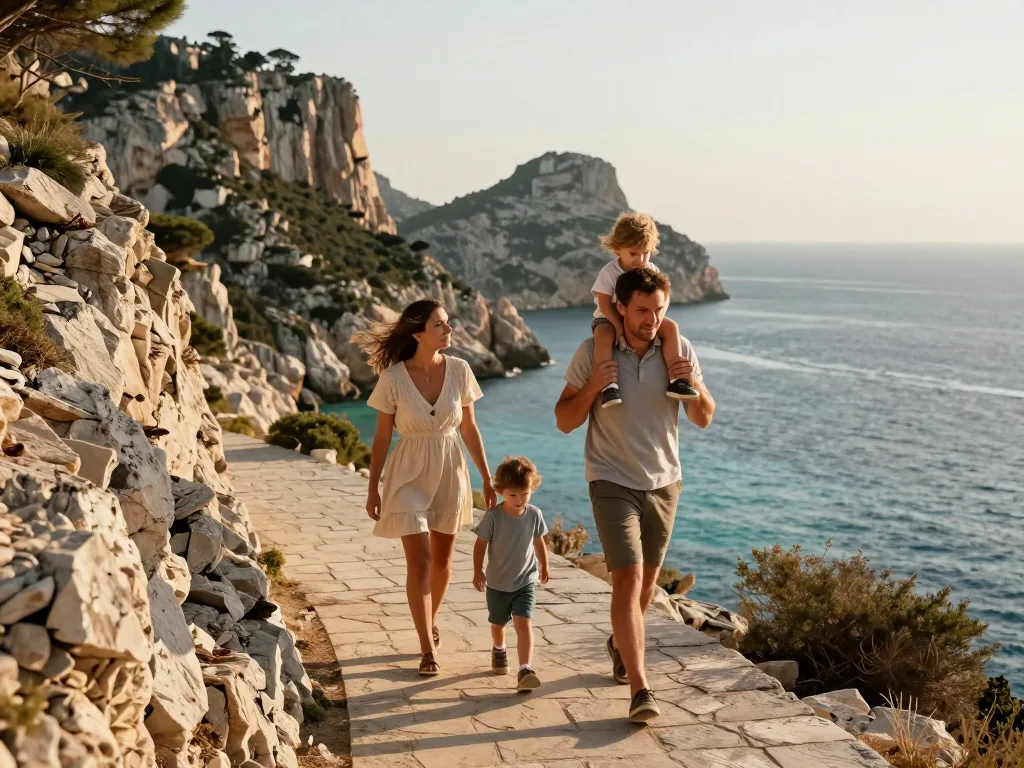
The turquoise Mediterranean glints behind your family. Ancient stone walls frame your laughter. The salty breeze catches your hair mid-giggle. This is the magic waiting on the Camí de Ronda coastal path. More than just a hike, the trail unfolds as a natural studio—hidden coves, dramatic cliffs, a new backdrop at every turn. But a successful photo session takes more than a camera and good intentions. This guide helps you plan a safe, scenic, and genuinely memorable shoot, from route selection to timing, gear, and child-friendly tactics. We’ll also tackle the nitty-gritty logistics—parking, facilities—so you can focus on capturing authentic joy, not stress.
Choosing the Right Section for Your Family
The Camí de Ronda isn’t one single experience. It’s a patchwork of ancient fishermen’s trails, pine-shaded coves, and dramatic cliff edges that shift character with every headland. The secret to a joyful family photo session isn’t chasing the most famous viewpoint—it’s matching the path to your children’s stamina and curiosity. Get this right, and you’ll capture genuine laughter instead of tired tears.
Matching Trail Difficulty to Your Children’s Ages
For toddlers and preschoolers, choose short, flatter sections near beach access points, like the promenade-style path around Tossa de Mar’s bay. The paved, mostly level surface lets little legs wander safely while you frame shots against the medieval castle walls and turquoise shallows. School-age kids thrive on moderate stretches with gentle climbs, such as the path between Cala Aiguablava and Begur’s nearby coves. There’s enough elevation to feel like an adventure, but soft pine needles underfoot and hidden rock pools reward their effort. For teens and older children, longer cliffside segments are worth attempting—just check for uneven rocks and drop-offs first. These dramatic stretches, with the sea crashing far below, make breathtaking portraits, but they demand sure footing and constant attention.
Best Family-Friendly Stretches Near Tossa de Mar, Lloret de Mar, Sant Feliu de Guíxols, and Begur
Beyond the headline towns, look for quieter connectors. The gentle curve from Sant Feliu de Guíxols toward S’Agaró offers wide, well-maintained paths with benches for rest stops. Near Lloret de Mar, the section heading south toward Cala Canyelles balances easy walking with photogenic rock formations. Around Begur, the approach to Aiguablava rewards families with golden sand and sheltered swimming spots—perfect for post-shoot paddling.
How to Check Trail Conditions Before You Go
Before you pack the camera bag, verify your chosen stretch is open. The path is subject to coastal erosion and occasional closures for maintenance. Check local signage or town tourist offices for current conditions before setting out. A quick stop at a tourist office or a glance at official municipal boards can save your session from a blocked trail or an unexpected detour—leaving you free to focus on the magic.
Timing Your Session for the Best Light and Comfort
Golden Hour vs. Midday Sun on the Rocky Coastline
The Camí de Ronda is a photographer’s dream, yet its exposed cliffs and white-washed coves demand respect for the sun. The line between a magical portrait and a squinting, washed-out mess often comes down to a few hours on the clock. The golden hour—that brief window just after sunrise and just before sunset—turns the rugged coastline into a painter’s palette. Low-angle sunlight wraps around the limestone rocks, casting long, soft shadows that add depth to faces and texture to stone. The sea becomes liquid amber, the sky blushes with tones that flatter every skin type, no filter needed. This is when you want the shutter clicking.
Midday sun, by contrast, is the enemy of the flattering family photo. High overhead, it carves dark hollows under eyes and noses. On the pale, reflective rock of the Camí de Ronda, that light bounces back up, creating glare and forcing everyone to squint. The heat on the exposed trail does little for a toddler’s patience or a parent’s humor. If you must shoot midday, seek the shade of a pine grove or a deep cove where cliffs cast their own shadow—but know your results will never rival the magic of a low sun.
Planning Around Heat, Crowds, and Nap Times
Practical logistics matter as much as light quality. Here’s your cheat sheet for a smooth session:
- Early morning (sunrise to about 9 a.m.): The golden ticket. Soft, warm light, cool air, and a blissfully quiet trail—you’ll have the best viewpoints to yourselves. Kids are often freshest after a good night’s sleep, making this the ideal window for genuine smiles and cooperative little ones.
- Late afternoon (about 4 p.m. to sunset): Golden tones return, casting a romantic glow on cliffs and sea. But stay vigilant: sunset times shift, and the trail has uneven steps and drop-offs. Always plan to finish your walk well before the light fades, so you’re not navigating the path in the dark.
- Avoid midday: Beyond harsh shadows, the exposed sections get unbearably hot, leading to cranky children and rushed photography. It’s simply not worth the stress.
Align your shoot with your family’s natural rhythm. A well-rested child is a happy subject, so book your session to start right after a nap or a hearty breakfast. The Camí de Ronda rewards those who plan—arrive early, shoot smart, and leave the harsh light to the lizards.
What to Wear and Bring for a Smooth Photo Session
Footwear and Clothing That Work for Both Walking and Posing
The Camí de Ronda is not a studio, and it won’t treat you like one. If you want effortless, wind-blown family portraits without anyone limping or complaining, footwear is non-negotiable. Leave the flip-flops and fashion sneakers at home. From the toddler on shoulders to the grandparents, everyone needs sturdy, closed-toe shoes with serious grip. The path mixes smooth stone, loose gravel, and occasional rocky steps; a good pair of trail shoes or hiking sandals with a locked heel lets you move confidently between poses. Break them in before the day, not during it.
Think of the landscape as your palette. The Mediterranean throws a constant backdrop of sapphire blues, deep turquoise, and golden limestone against you. Choose light, breathable fabrics in neutral or coastal tones—soft whites, warm sands, dusty blues, muted terracottas. Avoid neon colors and busy patterns; they fight with the scenery and date your photos quickly. Layers are your best friend. Mornings carry a cool sea breeze that burns off by midday, so bring a light linen shirt or cotton cardigan that slips off in seconds without ruining hair or makeup.
Essential Gear for Parents and Photographers
Most sections of the path have no official restrooms, water fountains, or snack kiosks. Once you commit to a stretch, you’re fully self-sufficient. Pack one small backpack that rotates between parents—not a giant cooler, just a compact bag. Inside, carry at least one liter of water per person, a few high-energy snacks like nuts or dried fruit, and a compact first-aid kit with plasters and antiseptic wipes for scraped knees. A light towel is a smart addition for impromptu splashes at the water’s edge.
For the photographer in the family, two things will elevate your shots dramatically. First, a polarizing filter for your lens. It cuts harsh glare off the sea, makes the water look deeper and clearer, and enriches the sky’s blue without any post-editing. Second, a lightweight, compact tripod—not a heavy studio model. It lets you set up group shots on uneven ground, step into the frame yourself, and keep everyone sharp in the gentle sea breeze. A remote shutter release or the camera’s self-timer is a worthwhile companion. Keep all gear in a daypack that distributes weight evenly, leaving your hands free to guide the kids along the path.
Scouting Iconic Backdrops and Safe Shooting Spots
Medieval Walls of Tossa de Mar as a Framing Element
Tossa de Mar’s ancient fortifications rise straight from the rocky shoreline, a dramatic counterpoint to the soft Mediterranean light. Skip the full-wall shot—it flattens the composition. Instead, use the stone ramparts as a frame. Tuck your children into a weathered archway, or catch a candid walking shot with the crenellations slicing diagonally across the top of the frame. Golden hour turns the aged limestone warm honey, so aim for about ninety minutes before sunset. For something tighter, head to the small cove below the eastern tower; the rough-hewn blocks against smooth, tide-polished pebbles at your family’s feet add tactile depth.
Coves and Cliffs: Cala Aiguablava and Cap de Creus Viewpoints
Further along, Cala Aiguablava’s turquoise crescent is pure postcard. Position your group on the flat granite shelf left of the beach, where the pine-scented breeze keeps hair moving naturally. A polarizing filter deepens the water’s emerald hue without skewing skin tones. At Cap de Creus, wind-sculpted rocks cast otherworldly silhouettes—ideal for a wide shot that sets your family small against the vast landscape. Face your subjects seaward with the wind behind them; hair stays out of their eyes, and the frame gains motion. Late afternoon delivers the most reliable light, when cliffs throw long, soft shadows across the trail.
Several viewpoints along the path offer iconic backdrops, such as the medieval walls of Tossa de Mar, the coves of Cala Aiguablava, and the cliffs of Cap de Creus.
Keeping Kids Safe While Posing Near Edges
Those dramatic drops make the photos unforgettable, but they demand rigorous safety. Set ground rules with your children before any shutter clicks—calm and matter-of-fact, not a hurried warning that might spook them or, worse, spark curiosity.
- Always position children at least two meters back from any cliff edge.
- Use a spotter (one adult) to watch the trail while another focuses on photography.
- Choose wide, flat rock platforms for group shots, never narrow ledges.
The two-meter rule is non-negotiable; even a playful step can carry a child dangerously close to a precipice. Your spotter should stand between the children and the drop, facing the trail to watch for loose stones, sudden gusts, or other hikers. For group compositions, scout a platform that fits everyone with an arm’s-length buffer on all sides—if you have to squeeze together to fit the frame, the spot is too small. A lightweight, three-legged stool for younger children keeps them grounded and stable while you adjust your lens.
Practical Logistics: Parking, Facilities, and Costs
Where to Park and What to Expect for Fees
Parking near the Camí de Ronda takes a little strategy, especially in summer when coastal towns fill up fast. Most trailheads sit beside small municipal lots or beachside areas, and nearly all of them charge a fee. Expect to pay between €5 and €20 per day, depending on the municipality and how close you are to the water. Picturesque villages like Begur, Calella de Palafrugell, or Tossa de Mar lean toward the higher end, while less central access points often offer cheaper flat rates. Arrive before 9:00 AM to snag a spot and avoid circling narrow streets with restless kids in the back. Some lots are unstaffed, with ticket machines that take coins or cards, so keep small change within reach. If you don’t mind a ten-minute walk, free parking often exists on residential roads at the edge of town—just check the signs, as many require a resident permit.
Finding Restrooms and Water Before You Hit the Trail
A key reality of the Camí de Ronda: there are no public restrooms or drinking fountains along almost the entire path. Once you leave town, you’re on your own. Use the facilities in the nearest town before setting out. Many beachfront promenades have clean, basic public toilets, and some beach bars or chiringuitos will let you use theirs if you buy a coffee or cold drink. Fill every water bottle before leaving the car—this is non-negotiable. A family of four can easily go through two liters in just a couple of hours under the Mediterranean sun. Pack snacks, sandwiches, and fruit in a small cooler bag, and plan your break at a beach or sheltered cove with easy trail access. That way, you enjoy a picnic without a long, steep detour, and little legs stay energized for the walk back.
Pick the right stretch, time it for golden hour, and pack for comfort—then let the trail’s rugged beauty handle the rest. A manageable route, soft coastal light, and practical gear turn a simple walk into a session full of stunning images and safe, happy memories. Later, those frames will reveal more than cliffs and sea: the laughter, the wind-tangled hair, the quiet togetherness that made it real. So choose your trailhead, check the forecast, and book your photographer—your family’s next favorite photo is already waiting on the path.
Frequently asked questions
What makes the Camí de Ronda a good location for a family photo session?
The Camí de Ronda offers a mix of dramatic coastal cliffs, hidden coves, and Mediterranean pine forests, providing natural backdrops that change with every turn. Its varied terrain means you can capture both adventurous, rocky shots and soft, sandy beach moments within a single session, keeping kids engaged and photos diverse.
How long does a typical family photo session on the Camí de Ronda last?
A standard session usually runs between 60 and 90 minutes, which allows time for walking between spots, natural breaks, and candid play. For families with very young children, a shorter 45-minute mini-session is also common, focusing on one or two key viewpoints to avoid fatigue.
What should we wear for a coastal path photo session?
Choose comfortable, layered clothing in earthy tones like sand, olive, or soft blue, which blend well with the rocky and sea backdrop. Avoid bright neon colors or large logos, and bring a light jacket or shawl because sea breezes can pick up quickly, especially near the cliffs.
Are there any safety considerations for kids along the Camí de Ronda?
Yes, some sections have steep drops and uneven stone steps, so keep a close eye on toddlers and hold hands near edges. The photographer will choose safe, fenced or flat areas for posed shots, but parents should wear sturdy shoes and carry water to prevent slips or dehydration.
What is the best time of day for a family session on this coastal path?
The golden hour—either one hour after sunrise or one to two hours before sunset—offers soft, warm light that flatters skin tones and avoids harsh midday shadows. Early morning is especially calm with fewer hikers, while late afternoon provides beautiful sea reflections and a relaxed, end-of-day mood.
Can we include our pet dog in the family photos?
Absolutely, dogs are welcome on most sections of the Camí de Ronda, but keep them on a leash for safety and to avoid startling other walkers. Let the photographer know in advance so they can plan for quick, playful shots that capture your dog's personality without disrupting the flow.
What happens if the weather turns bad on the day of our session?
We will monitor the forecast closely, and if rain or strong wind makes the path unsafe, we'll reschedule to an alternative date at no extra cost. In case of light drizzle, we can still shoot under a pine grove or use a covered lookout point, creating moody, atmospheric images instead.
How far in advance should we book a family photo session on the Camí de Ronda?
Booking 3 to 6 weeks ahead is recommended, especially during spring and early autumn when the weather is mild and the path is busier. For weekend slots or school holidays, aim for 2 months in advance to secure your preferred time and location along the route.
What is the typical cost range for a family photo session on the Camí de Ronda?
Prices generally range from €150 to €400 for a 60- to 90-minute session, depending on the photographer's experience, the number of edited images, and whether you choose a sunrise or sunset slot. Some packages include a digital gallery and print release, while others offer add-ons like a printed photo book or extra location stops.
Do we need to bring any props or items for the session?
No, the natural scenery is the main prop, but you can bring a simple picnic blanket, a child's favorite toy, or a kite for candid, playful moments. Avoid bulky items that are hard to carry on the path; a small bag with snacks, wipes, and a change of clothes for kids is more practical.