Capture the Wild: Dramatic Family Portraits in the Rugged Beauty of Cap de Creus
Stunning dramatic family portraits at Cap de Creus natural park—rugged cliffs, wild sea, and authentic emotion captured in every frame. Book your session.
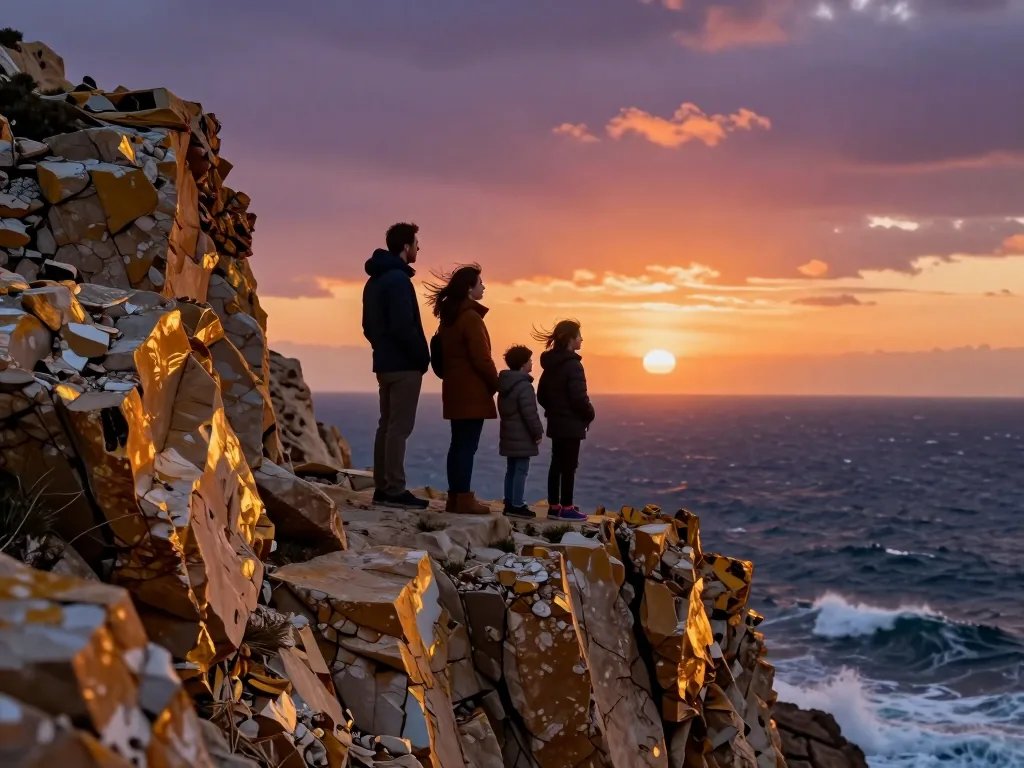
Imagine your family silhouetted against a jagged coastline, wind whipping the sea into white foam, earth meeting sky in a raw, ancient embrace. This guide walks you through planning dramatic family portraits in the wind-carved landscape of Cap de Creus Natural Park. From choosing the right cove and timing your session to navigating park rules and preparing for the elements, it covers it all. You’ll finish with a practical checklist for a smooth, memorable shoot—ensuring your images capture not just faces, but the untamed spirit of this singular place.
Understanding the Landscape and Its Photographic Potential
Why Cap de Creus Creates Unforgettable Backdrops
Cap de Creus offers nothing soft. Millennia of relentless tramontana wind have sculpted its granite into stark, dramatic contrasts: dark rock veined with minerals, pale dusted earth, and the deep, uncompromising blue of the Mediterranean. This is no manicured park or gentle shoreline. It is wild, almost lunar—a terrain that turns family portraits cinematic and timeless. Sparse, low vegetation strips the palette down to sky, stone, and water, forcing the eye straight to the people at the heart of the frame. The result feels less like a posed snapshot, more like a film still from the edge of the known world. Light behaves differently here. Mornings wash the rock in golden clarity; late afternoons stretch long shadows that carve out every rugged texture beneath your feet.
Key Zones for Family Sessions
Not every corner of the park suits a family shoot, but three accessible areas strike the right balance between visual drama and safety for kids and grandparents. First, the lighthouse plateau at Far de Cap de Creus, where cliff edges meet open sea. Sweeping, unobstructed views deliver a sense of vastness hard to match anywhere else—though keep a firm grip on little ones near the drop-offs. Second, the sheltered cove of Cala Culip, a horseshoe of calm water that mirrors the surrounding rock. Position the family on smooth boulders with the sea as a reflective backdrop, and you get a serene counterpoint to the wilder cliffs. Finally, Port Lligat bay brings in the iconic white houses and textured foreground rocks—a more human-scaled setting that keeps the park’s raw edge. Each zone carries its own mood: exposed and heroic, reflective and calm, intimate and layered. Walk these areas beforehand to plan your shots; parking is scarce and trails uneven. A little reconnaissance turns a challenging landscape into an unforgettable family portrait.
Planning Your Session Around Weather and Light
Mastering the Tramontana Wind
The Tramontana is the true protagonist of any Cap de Creus shoot—and your most unpredictable adversary. This fierce, dry wind funnels down from the Pyrenees and can arrive without warning, often intensifying after midday. One moment you’re framing a serene family against the cliffs; the next, hair is whipping across faces, dresses are billowing like sails, and your tripod is taking an unsolicited hike toward the Mediterranean. The solution is discipline in scheduling. Book your session for early morning—ideally within the first two hours after sunrise—or late afternoon, when the Tramontana typically subsides and the light drops to a warm, directional glow that rakes across the granite and carves long, dramatic shadows into the terrain. These hours also mean fewer gusts to fight, giving you and the family room to breathe, pose, and laugh between shots. Before committing to a date, check multiple local forecasts—mountain microclimates make Cap de Creus notoriously tricky—and always hold a backup day in reserve. A flexible client is a photographer’s greatest asset here.
Golden Hour and Blue Hour Strategies
For portraits that feel both epic and intimate, aim squarely for the golden hour—the sixty minutes after sunrise or before sunset. The sun’s low angle skims across the weathered rock, igniting every fissure and mineral vein in warm amber, while skin tones pick up a flattering, honeyed richness that needs little retouching. Position the family so the light wraps around their faces, not straight into their eyes, and let the jagged coastline fall into soft, layered focus behind them. When the sun dips below the horizon, don’t pack up. Blue hour—that fleeting window of cool, steel-blue twilight—transforms the park into something moodier and more cinematic. Silhouettes against the shimmering sea become powerful, graphic compositions. To keep faces readable in this fading light, bring a fast prime lens—an f/1.4 or f/1.8 will let you shoot handheld without noise—or use a small flash with a diffuser to add a gentle kiss of fill light. The contrast between warm skin and cool sky is the signature look of this coastline, and it’s worth every second of waiting for the light to cooperate.
Navigating Park Access and Regulations
Getting There and Parking
Reaching the dramatic coves and windswept headlands of Cap de Creus takes planning. Private vehicles are strictly limited to designated parking lots, and during peak season the narrow roads clog quickly. Expect to walk 15 to 40 minutes from your car to reach the most photogenic spots. For the iconic whitewashed village of Port Lligat—home to Dalí’s former residence—arrive early to secure a space before the crowds descend. The lighthouse at the park’s easternmost tip demands a longer hike, but the panoramic vistas more than compensate. Cyclists: bicycles are allowed on main access paths, yet many secondary trails are off-limits. Consult the official park map before relying on two wheels to carry your gear and family.
Permits for Photography
A purely personal session—candid shots of the kids scrambling over granite boulders or the family silhouetted against a blazing sunset—requires no permit. But introduce heavy equipment such as tripods, lighting stands, or multiple outfit changes, or intend to sell any resulting images, and you’ll likely need a commercial photography permit from the Parc Natural de Cap de Creus office. Fees vary with production scale, typically €50 to €200 per session. Contact the park office several weeks ahead, outlining crew size, equipment list, and intended use of the photographs, to sidestep bureaucratic delays.
Protected Area Rules
This is a fragile Mediterranean ecosystem, and the rules exist to protect it. Stay on marked trails at all times—stepping off the path can crush slow-growing lichen and rare plant species that take decades to recover. Do not disturb wildlife, especially nesting seabirds inhabiting the cliffs during breeding season. Drone use is prohibited or heavily restricted throughout the park; leave yours at home or risk substantial fines. Finally, keep your group small and voices low. The park’s quiet, contemplative atmosphere is part of its raw beauty, and preserving that silence ensures every visitor—and every subject in your portraits—experiences the landscape as it has existed for millennia.
Preparing Families for the Shoot
A successful portrait session in Cap de Creus begins long before you step onto the trail. The landscape is raw, wind-scoured, and utterly magnificent—but it demands preparation. Here is how to ensure your family arrives ready, relaxed, and safe.
What to Wear and Bring
Your clothing choices can make or break the visual harmony of the final images. The terrain here is a palette of grey granite, deep blue coves, and sun-bleached scrub, so you want outfits that stand out rather than blend in. Deep reds, mustard yellows, or crisp whites pop beautifully against the rocks and water. Avoid busy patterns and large logos; solid, textured fabrics photograph far better. The wind is a constant companion, so bring layers—a light fleece or denim jacket can be slipped on between shots without ruining the aesthetic. Sturdy, closed-toe shoes are non-negotiable for the rocky paths; leave sandals and heels in the car. For children, pack a complete change of clothes, because a fall on granite can mean a torn knee or a dusty backside. Finally, carry a small daypack with water, high-energy snacks, and sun protection—hats, sunglasses, and SPF. There are no facilities or kiosks once you leave the parking area, so self-sufficiency is key.
Managing Kids and Nervous Adults
The uneven ground and strong gusts can unsettle even the most confident child. The secret is to keep sessions short and playful. Aim for fifteen minutes of active shooting, then a five-minute break to let kids explore the rocks, throw pebbles into the sea, or chase a lizard. This rhythm prevents meltdowns and keeps expressions fresh. For adults who feel stiff in front of the camera, use natural movement to break the tension. Ask the family to walk together toward the sea, hold hands in a loose line, or spin slowly with arms outstretched. The dramatic backdrop does the heavy lifting—you do not need elaborate poses. Simple, candid interaction will always look more powerful than a forced stance.
Safety on Cliffs and Rocks
This is the most critical part of any shoot at Cap de Creus. Never position anyone near a cliff edge without a clear safety margin of at least two meters. Wet rock is treacherously slippery, and a sudden gust can knock a standing adult off balance. Choose flat, stable boulders for seated poses, and always check the surface for loose gravel before placing children on it. Keep a first-aid kit in your car, and designate one adult whose sole job is to watch the children while the photographer focuses on composition. A beautiful shot is never worth a twisted ankle or a frightened child.
Logistics, Timing, and Backup Plans
Best Seasons and Times of Day
Cap de Creus rewards those who plan around its moods. Spring and autumn are your allies: temperatures stay comfortable, crowds thin, and the light turns soft and golden—flattering skin against the harsh granite. Summer brings brutal midday sun that squints eyes and washes out color, while the park fills with day-trippers. Winter offers a different drama—low, raking light carving deep shadows into the cliffs—but the wind bites and the days are short. For the most reliable conditions, book a spring morning session. The air is crisp, the east-facing coves catch the first clean light, and the sea often lies calm before the afternoon breeze kicks up. Always have a backup plan. A sudden tramuntana wind can make the coast unusable, so scout a nearby indoor location—a stone farmhouse, a rustic restaurant with character—or agree on a reschedule date before you leave home.
Day-of-Shoot Checklist
Arrive prepared, and the shoot will flow. Pack the following:
- Printed or digital park map with marked trails (cell service is unreliable)
- Water bottles—one liter per person minimum, more if you’re hiking
- Sunscreen, hats, and sunglasses (even in spring, the sea’s reflection is fierce)
- Windproof jacket for each family member, regardless of forecast
- Tripod with sandbags or weights for stability in gusts
- Lens cloth and a rain cover for your camera
- Snacks and a small blanket for breaks between setups
- Fully charged batteries and extra memory cards
- Copy of any photography permit, if applicable
- First-aid kit and a basic repair kit for gear
Working with a Professional Photographer
If you hire a professional, vet them for coastal experience. Ask specifically about shooting in windy, salt-sprayed environments—this demands different gear handling and safety awareness than a studio or meadow session. Confirm they carry liability insurance and know the park’s permit rules inside out. Expect a session fee ranging from €300 to €800 per two-hour shoot, plus travel costs from their base. Before the day, discuss outfit coordination—muted earth tones and soft blues echo the landscape better than neon—and agree on a shot list covering wide landscape shots, tight family groupings, and candid moments. But leave room for spontaneity. The best portraits at Cap de Creus often happen when a child stoops to examine a tide pool or a gust of wind lifts a scarf mid-laugh. Let the wildness in.
Conclusion
Plan ahead, respect the rules, and stay flexible with wind and weather—those are the ingredients for striking, dramatic family portraits in Cap de Creus. The landscape’s raw beauty rewards those who embrace it. Let the jagged cliffs, sweeping sea, and shifting light work with you, not against you. Scout locations in advance, dress for the elements, and time your session around golden hour. Unpredictable conditions become moody, unforgettable backdrops. From there, it’s simple: pick a wind-sheltered cove, bring layers and sturdy shoes, and arrive early. Let the wild silence guide your family into authentic poses. The payoff is a portrait series as timeless and powerful as the park itself.
Frequently asked questions
What makes Cap de Creus natural park ideal for dramatic family portraits?
The park's rugged, wind-sculpted rock formations, deep turquoise coves, and stark, almost lunar landscapes create a naturally dramatic backdrop that flatters bold poses and dark, moody styling. The intense Mediterranean light at golden hour adds texture and contrast, giving your portraits a cinematic, timeless feel.
When is the best time of day to shoot at Cap de Creus for dramatic lighting?
Shoot during the first hour after sunrise or the last two hours before sunset, when the low sun rakes across the rocky cliffs and casts long, sculpting shadows. Midday light is harsh and flat, washing out the dramatic contours you want to emphasize.
Do I need a permit to take family portraits in Cap de Creus natural park?
For casual family photography with a handheld camera, no permit is required, but if you plan to use tripods, lighting equipment, or a large group of more than ten people, you must request authorization from the park office. Apply at least two weeks in advance, and be prepared to pay a small administrative fee, typically ranging from 20 to 80 euros depending on the scale of your shoot.
How should we dress for dramatic family portraits in this rocky, coastal environment?
Choose flowing, dark-toned fabrics like deep burgundy, navy, or charcoal that catch the wind and add movement against the gray and ochre rocks. Avoid busy patterns and bright whites, which can distract from the landscape, and wear sturdy closed-toe shoes because the terrain is uneven and slippery near the water.
Can we bring our kids safely to the shooting spots at Cap de Creus?
Yes, but stick to the well-marked trails and avoid the cliff edges, which have no railings and can be dangerously exposed during strong winds. For younger children, plan shorter sessions near the calmer coves like Cala Culip, and always have an adult dedicated to watching the kids while the photographer works.
What poses work best for dramatic family portraits against the Cap de Creus rock formations?
Emphasize strong, angular poses with family members standing at different heights on the rocks, creating a layered, sculptural composition. Have everyone look toward the horizon or close their eyes with faces tilted up, letting the wind and natural light do the emotional work—avoid forced smiles in favor of serious, connected expressions.
How do we handle the strong winds typical at Cap de Creus during our portrait session?
Embrace the wind by having hair and clothing flow naturally, but bring hair ties, bobby pins, and a few layers to change into between shots. Schedule your session for a day with moderate winds (under 25 km/h) if possible, and position family members with their backs to the wind to reduce squinting and keep hair out of faces.
Are there any specific locations within the park that are best for dramatic family portraits?
The area around the Cap de Creus lighthouse offers panoramic cliff views and surreal, twisted rock formations, ideal for wide dramatic shots. For a more intimate setting, the hidden cove at Cala Jugadora provides a sheltered beach with dark pebbles and vertical rock walls that frame the family beautifully.
What should we expect in terms of cost for a professional photographer at Cap de Creus?
Professional photography fees in this area typically range from 250 to 800 euros for a two-hour session, depending on the photographer's experience and whether travel from nearby towns like Cadaqués is included. Some photographers also charge a location scouting fee of 50 to 150 euros if they need to visit the park beforehand.
How can we make our family portraits feel unique and not like typical tourist shots?
Incorporate personal props that contrast with the raw nature, such as a vintage umbrella, a long silk scarf, or a single piece of furniture like a wooden chair, which adds an artistic, surreal element. Also, plan a specific narrative—like a family walking away from the camera holding hands—to create a story rather than a static group pose.