The 2026 Parent’s Guide to Hiring a Hospital Newborn Photographer Before You Even Push
Plan ahead for 2026 newborn photos! Your guide to hiring an in-hospital photographer before birth for perfect first moments.
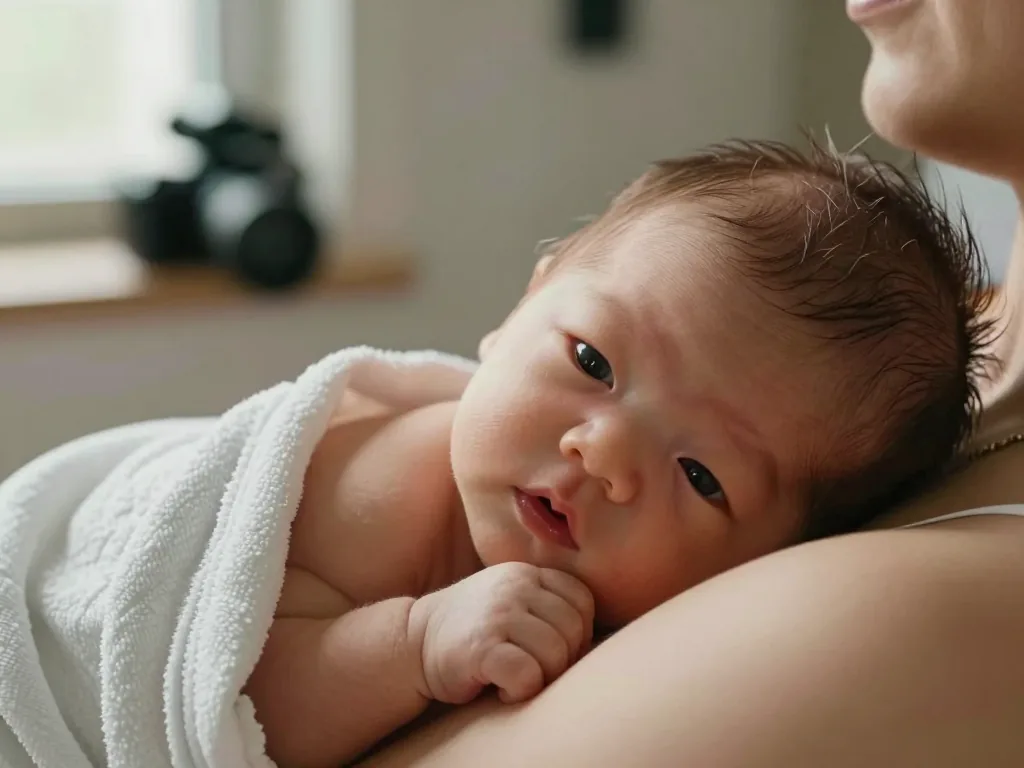
You’ve spent nine months perfecting the nursery, packing the hospital bag, and memorizing breathing techniques. But one crucial detail often gets overlooked until it’s too late: who will capture your baby’s first hours? Those raw, fleeting moments—the first weigh-in, the exhausted smile, tiny fingers wrapped around yours—unfold in a blur of fluorescent lights and hospital chaos, gone before you blink.
This guide walks you through researching, vetting, and booking a professional newborn photographer who works inside the hospital. You’ll have a trusted creative eye ready the moment you push. From timing your contract around unpredictable labor to navigating hospital policies and backup plans, you’ll finish with a practical checklist to secure those irreplaceable images before your water even breaks.
Why Hire a Hospital Newborn Photographer in 2026
The Unique Value of the First 48 Hours
The first 48 hours after birth are a physiological and emotional window that will never repeat itself. Your newborn is still curled in that familiar fetal position, their skin has that transient blotchy-peach glow, and their hands are often still pruned from amniotic fluid. More importantly, they are in a state of “quiet alert” — a brief, sleepier version of wakefulness where their eyes are open, soft, and unfocused. This is the only time you’ll catch that specific, dreamy gaze without a pacifier or a swaddle battle. An in-hospital photographer captures the raw, unposed reality: the IV tape on your wrist, the hospital bracelet still on, the slight swelling in your face. These are not flaws; they are the truest documentation of the moment your family changed shape. You will not remember the exact texture of your baby’s hair against the white hospital sheet in six months. A professional will.
What Has Changed Since Previous Years
If you’re a second or third-time parent, you’ll notice the landscape has shifted significantly since your last delivery. The days of a photographer casually walking into your postpartum room with a camera bag are long gone. In 2026, hospitals have tightened their protocols in response to both privacy laws and infection control. You can no longer assume a last-minute phone call will work. Most maternity wards now require advance coordination — often four to six weeks before your due date — including a signed media release, a copy of the photographer’s liability insurance, and proof of up-to-date vaccinations and a cleared background check. This is non-negotiable, and it’s why hiring someone who already has established hospital privileges is a massive advantage.
The “golden hour” — that precious first 60 minutes of skin-to-skin contact — is now strictly protected by hospital policy. No photographer will be allowed in during that time, regardless of your prior agreement. Sessions are therefore deliberately delayed until after initial medical checks, and they are much shorter than a typical studio session. Expect a focused, medically aware 20-to-30-minute shoot that respects your newborn’s sleep cycles and your own recovery from delivery or a C-section. The photographer will work around nursing, vital checks, and your exhaustion, not against them. This means you’re hiring for efficiency and discretion, not just aesthetics. For a 2026 in-hospital session with digital files and a print release, budget realistically from €350 to €650 per 30-minute session, depending on your city and the photographer’s established hospital access.
When to Start Planning and Booking
The Ideal Booking Window: Third Trimester
Still picking out a nursery theme? You’re already behind. By 2026, in-hospital newborn photography is all about pre-booking, and the sweet spot is unapologetically early. Once your second-trimester anatomy scan comes back clear, start your shortlist. By weeks 28 to 30—the heart of your third trimester—you should have a signed contract, not just a saved Instagram post. Why the rush? Hospital births are unpredictable, but photographers with maternity-ward access typically reserve only three to six slots per month, often tied to specific day shifts when they hold credentialing. Shooting at your hospital may also require coordinating with nursing staff and securing a visitor badge—both take lead time. Wait until week 36, and you’re competing with every parent who delivered early; same-day or next-day sessions drop to nearly zero. Instead, treat your due date as a launch window, not a fixed date. Book for your due week, then set up a “call when you’re in active labor” protocol. Most pros in 2026 hold your slot for a 72-hour window around your due date, and some offer a “first-come, first-served” buffer for inductions and C-sections.
Deposits, Contracts, and Cancellation Policies
Never assume a verbal “yes” holds a date. A deposit separates a genuine reservation from a wish list. Expect a non-refundable retainer of from €150 to €350 per session, typically credited toward your final package. That deposit locks the photographer’s time—and covers their travel, insurance, and the specialized editing workflow hospital lighting demands. Read the cancellation clause closely: most 2026 contracts allow one free reschedule within 14 days of your due date, but deliver more than two weeks early or late, and you may forfeit the deposit unless you bought a “flexible birth window” add-on, usually from €50 to €120 per session. Also check whether the contract covers a “no-show”—go into labor at 2 a.m. and forget to call, and you’re still on the hook for the retainer. Ask about editing timelines too: a standard session delivers 15 to 25 fully edited images within 10 business days, though some premium studios offer a 48-hour rush edit for from €80 to €200 per session. Get everything in writing, and confirm the photographer carries liability insurance your hospital accepts—otherwise, you could be turned away at the door.
“In 2026, most professional newborn photographers offer only a limited number of in-hospital slots per month. Booking during your third trimester—ideally by week 30—is the difference between getting a spot and being placed on a waitlist.”
Understanding Hospital Policies and Release Forms
Before you even pack your hospital bag, you need to know exactly what your chosen facility will and won’t allow when it comes to in-room photography. In 2026, most hospitals have moved away from blanket “no camera” rules, but they’ve replaced them with a patchwork of nuanced protocols that vary wildly—even between hospitals in the same city. The single most important document you’ll sign that day isn’t the epidural consent; it’s the hospital’s photography release form. This form dictates who can enter your room, what equipment they can bring, and whether your photographer can touch the baby for positioning. Do not assume your photographer “knows the drill” because they shot at a different hospital last week. Each facility has its own legal department, and their liability concerns differ.
How to Obtain the Hospital’s Photography Policy in Writing
Ask your hospital’s maternity ward for their specific “birth photographer policy” during a prenatal tour or at your 36-week checkup. Don’t accept a verbal summary—request the actual policy document, either printed or emailed. Many hospitals will have this available as a PDF on their patient portal, but if they don’t, ask the charge nurse to print a copy for you. Read it carefully for three things: (1) whether the photographer must be credentialed as a “professional” (some hospitals require proof of liability insurance and a business license), (2) whether flash photography is banned outright, and (3) whether the policy restricts the number of people in the room during delivery versus after. Keep this document in your phone’s notes app and forward it to your photographer at least two weeks before your due date.
Approved Photographer Lists and Background Checks
Some hospitals require the photographer to be on an approved list; others require a signed release from you and the attending nurse. If your hospital maintains a pre-approved vendor list, ask for it during your tour—this narrows your search significantly. For hospitals without a list, the photographer will often need to submit a background check and vaccination record (including Tdap and flu) to the maternity ward administrator 72 hours before admission. Your photographer should be proactive about this, but you must remind them. Also, confirm whether quiet hours (e.g., 2–4 PM) or shift changes restrict session timing. Many hospitals in 2026 have a hard stop on any non-essential personnel entering rooms during nurse shift handoffs (typically 6:45–7:15 AM and PM). If your baby arrives at 3 AM, your photographer may only have a 60-minute window before being asked to leave. Plan for a flexible, “call-when-you’re-in-active-labor” arrangement, and have a backup plan for a bedside-only shoot (no prop setups) if the policy is restrictive. Finally, ask whether the release form needs to be notarized—a growing trend in 2026 for hospitals in states with strict biometric privacy laws. If so, your photographer should carry a mobile notary or you’ll need to sign in front of a hospital witness.
The Golden Hour and Medical Clearance
Why the First Hour Is Off-Limits for Photography
The moment your baby enters the world, a biological symphony begins—one that no camera flash should interrupt. That first hour, often called the “golden hour” in newborn care, isn’t about aesthetics; it’s about physiology. Skin-to-skin contact with your chest regulates your baby’s temperature, stabilizes their heart rate, and triggers the instinctive crawl toward the breast. Meanwhile, your own body releases oxytocin, helping deliver the placenta and reducing postpartum hemorrhage risk. Any disruption—even a quiet photographer slipping in—can elevate your baby’s cortisol levels and delay that critical first feeding. By 2026, most hospital protocols treat this hour as a non-negotiable medical event, not a photo opportunity. A professional newborn photographer will never ask you to “just squeeze in a few shots” during this window. If they do, consider that a red flag and move on.
Who Gives the Green Light for the Session
Only the attending nurse or midwife can authorize the start of your in-hospital session—not you, not your partner, and definitely not the photographer. Before any camera bag is unzipped, the clinical team must confirm three things: your baby’s vital signs are stable, you show no signs of hemorrhage or hypertensive crisis, and the first breastfeeding latch (if you plan to nurse) has been attempted or completed. In many 2026 hospitals, this clearance is documented in your electronic health record, and the photographer may need to check in at the nurse’s station before entering. Some facilities also require a signed media release form, even for private sessions, to protect against HIPAA violations. Ask your photographer ahead of time if they have hospital credentials and know your specific birth facility’s rules—some hospitals now require photographers to complete a short infection-control orientation before stepping onto the postpartum floor.
“The AAP and CDC in 2026 recommend uninterrupted skin-to-skin contact for the first hour after birth. No photographer, regardless of experience, should enter the room until the attending nurse or midwife explicitly clears the baby and mother.”
Once clearance is given, the session itself should be efficient—typically 20 to 40 minutes, not an extended shoot. Expect the photographer to work around your nurse’s scheduled checks, and be prepared for pauses if your baby needs a glucose test, a warm blanket, or simply a moment to settle. The best photographers treat medical clearance as a sacred gate, not a hurdle. For a standard in-hospital newborn session (including edited images delivered digitally), prices in 2026 typically range from €250 to €600 per session, depending on your region and the photographer’s experience.
Scheduling Around Newborn Screenings and Recovery
The first 48 hours after delivery are a blur of vital checks, but they don’t have to sabotage your photo session—if you plan around the hospital’s clock. Treat your photographer as a flexible collaborator, not a fixed appointment.
Routine Tests That Affect Your Photo Window
Your newborn will undergo standard screenings that can interrupt any carefully planned session. The hearing test, metabolic screen (heel prick), and bilirubin check typically occur between 12 and 48 hours after birth. These aren’t random—they’re timed to catch issues early, but the exact window varies by hospital and shift. Before you confirm a photographer’s arrival time, ask your nurse for a rough schedule of these tests. Most nurses can give you a “likely” 4-hour block, but be ready for last-minute changes. If the bilirubin check lands mid-session, that’s fine—your photographer should be comfortable pausing for 10 minutes while the tech does their thing. Also note that many hospitals batch these tests during morning rounds, so a late-afternoon session often has fewer interruptions.
Working in Short Segments to Avoid Overstimulation
Newborns aren’t props; they’re tiny humans recovering from birth. A marathon 90-minute session is a recipe for a fussy, overstimulated baby and stressed parents. Instead, plan for two or three 20-minute photo segments spread across a few hours. This approach lets you capture the sleepy, curled-up poses right after a feeding, then gives the baby a break to be held, swaddled, or fed again. Your photographer should agree to this rhythm upfront—any professional worth hiring knows that a calm baby is a cooperative one. Between segments, keep the room dim, limit visitors, and let the baby rest in a bassinet. This also gives you time to review the first set of images on your phone and tell the photographer if you want more of a certain angle (like the baby’s tiny feet or a family shot with your IV line hidden).
Finally, your own recovery is part of the logistics. Coordinate the session around your pain medication schedule, breastfeeding, and rest. If you’re due for a dose of pain relief at 2 PM, don’t schedule photos for 2:15 PM—you’ll be distracted and uncomfortable. A good photographer will ask about your medication timing and feeding plan before arriving. For 2026, expect to pay anywhere from €150 to €350 per hour for an in-hospital session, with most photographers offering a two-hour minimum that includes editing and digital delivery. The price range reflects whether you’re hiring a solo shooter or a team with backup equipment, but the real value is in a professional who respects the chaos of the postpartum ward—and works around it, not against it.
Health, Safety, and Infection Control Protocols
By 2026, in-hospital newborn photography demands more than artistic talent—it requires clinical-grade hygiene. In those first 24 hours, your baby’s immune system is still calibrating. So the photographer you invite into your delivery room must operate like a member of the medical team, not a guest with a camera. Before you even push, ask for their written infection control policy. No policy? That’s your red flag.
What Photographers Must Do in 2026
Expect strict adherence to hospital-grade protocols. The photographer should arrive wearing a fresh, fitted N95 or surgical mask—not a neck gaiter, not a mask pulled below the nose—and keep it on for the entire session, no exceptions. Immediately before unpacking any gear, they must perform a 20-second handwash with antimicrobial soap in your room’s sink, or use a hospital-approved alcohol-based sanitizer. Their camera bodies, lenses, and hard surfaces should be wiped down with hospital-grade disinfectant wipes in front of you—not in the hallway. Many hospitals now require proof of up-to-date vaccinations (including Tdap and flu) and a negative COVID-19 rapid test taken that morning; a professional will email these documents a week prior.
Handling Props, Touching, and Glove Policies
Policies diverge here, so get it in writing. In 2026, most hospitals mandate that photographers do not touch your baby at all—period. No repositioning a tiny arm, no adjusting the head, no swooping in to fix a swaddle. Instead, you or your partner become the “hands” under the photographer’s verbal direction. If your hospital allows minimal handling, the photographer must wear non-latex, powder-free medical gloves and change them between any prop swap or after touching any surface. As for props: nothing from their personal stash enters your room unless individually bagged and sanitized—think steam-cleaned muslin wraps, plastic-washed baskets, UV-sterilized headbands. Many 2026 photographers now use only “lay-flat” items—a single clean blanket you provide or a sterile sheet they unseal on camera—to eliminate shared-prop risks entirely.
Lighting and Flash Restrictions
Finally, know the light rules. No flash is permitted in the nursery or NICU, and most hospitals extend that to your recovery room for the first 12 hours. A qualified 2026 newborn photographer will work exclusively with natural window light or a low-light mirrorless setup (ISO 3200 or higher, f/1.8 lens) and will never place a hot light or strobe near your baby’s face. They should also confirm your hospital’s specific policy on camera distance—some require a 3-foot minimum from the bassinet. If they balk at any of this, hire someone else. The cost for a compliant in-hospital session typically ranges from €350 to €700 per hour, including edited images, with a minimum two-hour booking.
What to Expect During the In-Hospital Session
The Photographer’s Setup in a Postpartum Room
Forget the Pinterest fantasy of softboxes and elaborate backdrops. In 2026, a true professional in a hospital works like a minimalist ninja: one camera body, a fast prime lens (typically 35mm or 50mm f/1.4), and maybe a reflector no bigger than a dinner plate. No strobes, no umbrellas, nothing that plugs into a wall. Everything hinges on the room’s existing window light, so the photographer may gently reposition the bassinet or roll your bed closer to the glass—never moving you without asking. They’ll bring a small padded mat for the scratchy hospital linens, plus hand sanitizer and a fresh mask, unprompted. Setup takes under three minutes. If someone asks you to move furniture or unplug a monitor, consider that a red flag. The best in 2026 work around the medical equipment, not against it.
How to Prepare Yourself and Your Baby
Preparation begins before the photographer arrives. Ask your nurse to dim the overhead fluorescents and raise the blinds for soft daylight—that single step matters most. Have one swaddle ready, in a solid, muted color like oatmeal, sage, or dusty blue. Skip patterns, logos, or scratchy lace; they only distract from the newborn’s skin. Plan to feed your baby—breast or bottle—about 15 minutes before the session. A milk-drunk, deeply asleep newborn poses far more easily than a hungry, squirming one. Keep a pacifier dipped in a bit of sugar water (with your pediatrician’s okay) on standby. And agree on a discreet signal with your partner or nurse—a raised hand or a specific word—meaning “stop, we need a moment.” The photographer will pause instantly. Expect the session to run 20 to 40 minutes, no longer. You won’t be asked to remove your gown, and the photographer will never touch your baby without guiding you to adjust the position first.
“A professional in 2026 will bring a fast lens, rely on window light, and never use studio strobes. They’ll work quietly, respect your space, and pause immediately if the baby or you need a break. You should have a swaddle, a feeding plan, and a clear signal for the nurse to step in if needed.”
Above all, set your own expectations. The goal isn’t a perfect, posed portrait—it’s a documentary of the first hours. Your hair will be messy, your eyes tired, and your baby might be jaundiced or peeling. That’s precisely what you’ll want to remember. A good photographer captures the raw, tender chaos, not a sterile fantasy. For a standard 30-minute in-hospital session with five to ten edited digital images delivered within 48 hours, expect to pay from €250 to €450 per session in 2026, with travel and backup-shoot coverage often included in that range.
Special Circumstances: NICU, Complications, and Restrictions
No matter how meticulously you’ve planned your birth photography timeline, the moment you walk onto the labor and delivery floor, you surrender a degree of control to clinical priorities. If your baby lands in the Neonatal Intensive Care Unit (NICU) or faces any immediate health complication—respiratory distress, jaundice requiring phototherapy, or a suspected infection—the hospital’s infection-control and patient-privacy protocols will almost always override your aesthetic wishes. In 2026, most NICUs still enforce strict “quiet hours” and limit non-essential personnel, and photography is frequently classified as non-essential. Some units will allow a single, quick photo with your phone, but a professional photographer with a large camera bag, reflectors, and a tripod will typically be denied entry. Don’t take this personally; it’s about reducing stimulation for fragile infants and protecting sterile fields.
Your first proactive step, even before you pack your hospital bag, is to request a written photography approval from your attending obstetrician or the NICU’s medical director. This is not a casual verbal “sure, fine.” You need a signed, dated document that explicitly states: “Photography by [photographer’s name] is permitted in [unit name] for [mother’s name]’s infant, subject to immediate termination if clinical staff deems it necessary.” Keep a digital copy on your phone and a physical printout in your birth plan folder. In 2026, many hospitals have digitized this process through patient portals—check if you can submit a formal request via the app, but still bring the paper backup. Also, confirm in writing whether your hospital still bans non-staff photography during active labor and delivery; this rule has not universally disappeared, and some facilities have actually tightened it due to liability concerns around accidental recording of other patients.
If restrictions do apply, pivot immediately. The best newborn photographers will offer a postponed “home session” as a contractual backup—typically scheduled within the first 10–14 days after discharge. This is not a consolation prize; it’s often superior because you control the lighting, temperature, and feeding schedule. For a NICU-to-home transition, expect to pay from €250 to €600 per session for a professional who specializes in medically fragile newborns, including sanitization protocols and flexible rescheduling. Ensure your contract explicitly states that a NICU stay triggers a no-penalty date shift, not a cancellation. Ask your photographer upfront if they have experience with babies who have monitoring leads, feeding tubes, or scars—this matters for posing safety and for your emotional comfort.
Choosing the right hospital newborn photographer before you deliver isn’t just about pretty pictures—it’s about preserving the raw, fleeting hours of your baby’s first day with professional skill while you recover. Book early, confirm hospital access and COVID-era protocols, and share your birth plan so they can navigate medical staff and lighting constraints. By your third trimester, shortlist two vetted photographers, schedule a virtual consult, and lock in a backup date. Then, when the moment comes, your only job is to push, breathe, and meet your baby.
Frequently asked questions
Why should I hire a professional photographer for in-hospital newborn photos instead of using my phone?
In 2026, hospital lighting, medical equipment, and the fast-paced postpartum environment make it nearly impossible for a phone to capture the same quality, especially with proper color correction and safe posing. A professional brings specialized low-light lenses, experience with newborns' delicate bodies, and knowledge of hospital protocols to get clean, timeless images without disrupting your recovery or the baby's first hours.
When should I book an in-hospital newborn photographer?
Book as soon as you have a confirmed due date or induction schedule—ideally in your second trimester—because in-hospital slots are limited and fill up months ahead, especially in 2026 as more families prioritize this service. You'll also need to confirm that the photographer has current hospital credentials and liability insurance, which often requires advance paperwork.
What should I look for in a photographer's portfolio for hospital shoots?
Look for galleries that show real in-hospital sessions (not just studio setups) with natural, soft window light, and images that include IV lines, monitors, or bassinets in a tasteful way—this proves they can work around medical gear. Also check for consistent skin-tone accuracy in newborns (no orange or yellow casts) and a mix of candid and posed shots that feel calm, not rushed.
How do I know if a photographer is allowed to shoot in my specific hospital?
Ask the photographer for a list of hospitals they're currently credentialed at, and then cross-check with your hospital's birth center or maternity department—many hospitals in 2026 require a signed waiver, proof of vaccination (including Tdap and flu), and a background check. Never assume permission; uncredentialed photographers can be asked to leave mid-session, leaving you with no photos.
What is the ideal timing for in-hospital newborn photos after birth?
The sweet spot is between 12 and 36 hours after birth, while the baby is still sleepy and curled up, but after you've had time for initial bonding and basic recovery. Many photographers in 2026 offer flexible windows (e.g., 2-hour arrival windows) to accommodate unpredictable births, but you should discuss whether they'll wait for your discharge or reschedule if you have a C-section or complications.
What should I prepare for the photographer's arrival in my hospital room?
Clear a small area near a window, dim overhead lights (use a lamp or bathroom light instead), and have a plain white or cream swaddle, a neutral hat, and a clean, simple outfit for the baby—avoid busy patterns and bright colors. Also have your partner or a nurse ready to help with positioning, and tell the photographer about any medical equipment that must stay visible (like oxygen or IV) so they can work around it discreetly.
Are in-hospital newborn photos safe for my baby's health and routine?
Yes, when done by a professional who follows 2026 hospital infection-control standards—they should sanitize hands, use clean props, and avoid touching the baby's face or umbilical stump. The session should be short (20–40 minutes), never force a pose, and always stop if the baby needs feeding, changing, or medical checks; your nurse can pause or end the session at any time.
What questions should I ask about editing and delivery of the photos?
Ask how many edited images you'll receive, the resolution (most pros in 2026 deliver both high-res for printing and web-sized files), and the turnaround time—expect 1–2 weeks for a gallery, but confirm if they offer a same-day 'sneak peek' for social media. Also clarify whether retouching includes removing hospital bracelets, IV lines, or baby acne, and if you get full printing rights or just a personal-use license.
Can I combine in-hospital photos with a later newborn studio session?
Absolutely—many families in 2026 book both, using the hospital session for raw, documentary-style memories (like the first weigh-in or your partner's face) and a studio session at 5–14 days for more posed, artistic shots. If you're on a budget, ask photographers if they offer a 'hospital only' package without a studio add-on, or if they'll discount a combined booking.
What happens if my baby is born prematurely or has a NICU stay?
Most photographers in 2026 have clear policies for this—they'll either postpone to a later in-hospital date (if you're still admitted) or convert your deposit to a home or studio session once the baby is stable. Always ask upfront about their rescheduling and refund policy for medical complications, and confirm they're comfortable shooting in a NICU setting (some are specially trained for it).