Fresh 24 Newborn Photos vs Lifestyle Sessions in 2026 Which Is Right for Your Baby
Choosing between fresh 24 newborn photos and a lifestyle session in 2026? Compare posed studio shots vs natural at-home vibes to find your baby’s perfect fit.
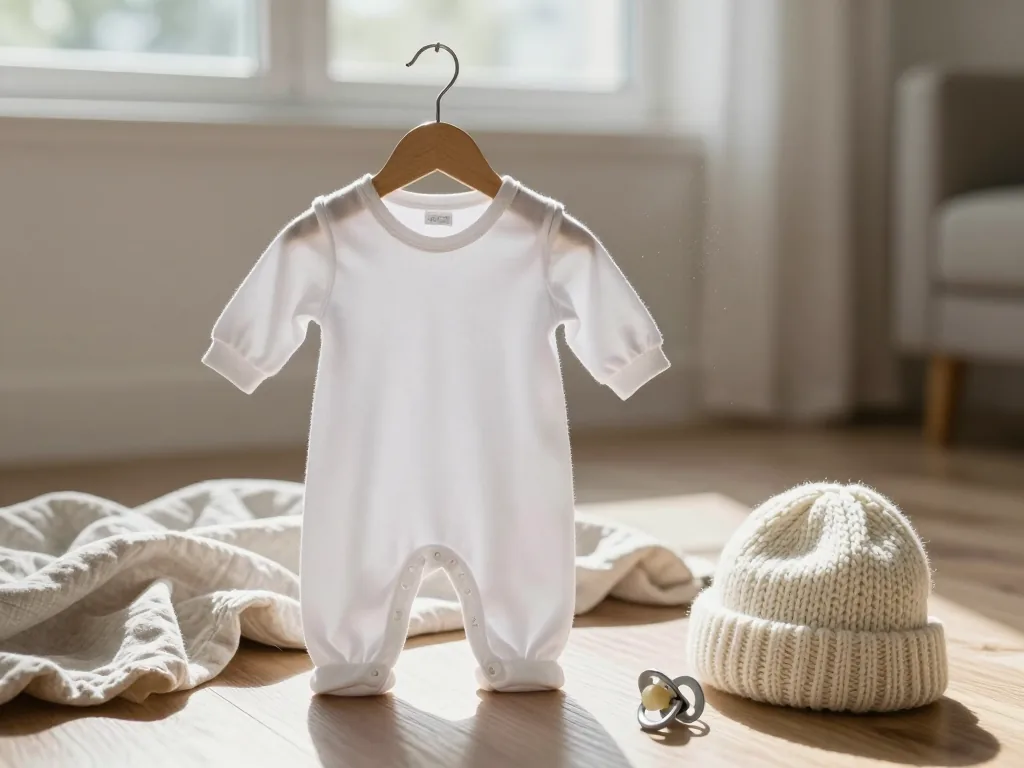
Choosing between a fresh 24 newborn session and a lifestyle newborn shoot in 2026 can feel overwhelming, especially when you want to capture your baby’s earliest days perfectly. The “fresh 48” trend dominated past years, but the new “fresh 24” approach—focused on the first 24 hours of life—offers an intimate, documentary-style glimpse of raw emotions and hospital moments. Lifestyle sessions, now more popular than ever, bring the story home with relaxed, natural shots of your family adjusting to life with a newborn. In this guide, you’ll discover the key differences, timing considerations, and practical advice to help you decide which style best fits your vision and your baby’s needs in today’s world.
Understanding Fresh 24 Newborn Photography in 2026
What Defines a Fresh 24 Session
In 2026, the Fresh 24 newborn session is still the gold standard for parents who want that iconic, dreamy newborn portrait. These sessions are exclusively studio-based and scheduled within a precise window: day 5 to day 14 after birth. The name “Fresh 24” refers to the first 24 hours of life as the ideal starting point, though most photographers book between days 7 and 12. At this stage, your baby is deeply sleepy, still holds the natural curled fetal position, and is most flexible for the intricate posing this style demands.
Photographers use wraps, soft props like bowls, baskets, and beanbags, and posing aids to safely position the baby in classic curled, sleeping poses. The baby is often undressed or minimally dressed, with the focus on soft skin tones, tiny fingers, and a peaceful expression of deep sleep. Every pose is built from the ground up: the photographer supports the baby’s head and body, then gradually settles them into a womb-like position. Because newborns at this age can be moved gently without waking, sessions can yield a dozen or more distinct setups—each one a carefully composed work of art.
Why Timing Matters So Much
The 5–14 day window isn’t arbitrary; it’s biologically critical. In the first two weeks, your newborn still holds the curled posture from the womb, and their sleep cycles are deep and long. This allows the photographer to safely position them into poses—like the “froggy” (bottom up, head turned) or the “taco” (curled on one side)—that would be impossible or unsafe after the third week. By day 14, many babies start to stretch out, wake more often, and show signs of newborn “witching hour” fussiness. Miss this window, and you lose the ability to achieve those signature sleeping, posed images.
From a safety perspective, the narrow timing also ensures the umbilical cord stump is still present—many photographers incorporate it into the shot—and the baby hasn’t yet developed the stronger startle reflex that makes posing difficult. In 2026, professional Fresh 24 photographers use only certified posing techniques, with a spotter present for every shot. Pricing for a full Fresh 24 session typically ranges from €350 to €800 per session, depending on the photographer’s experience, the number of setups, and whether digital files or prints are included. This investment secures a set of images that capture your baby’s tiniest, most fleeting form—before they ever uncurl for the first time.
Understanding Lifestyle Newborn Sessions in 2026
What Defines a Lifestyle Session
By 2026, the lifestyle newborn session has evolved into a deeply personal, documentary-style experience. It prioritizes your family’s natural rhythm over manufactured perfection. Unlike studio shoots, these sessions happen entirely in your home—usually within the first three weeks after birth. The guiding principle is simple: let the environment and available light dictate the images. There are no studio props, no backdrops, and no elaborate setups. Instead, the photographer works with what you already have: a sunlit nursery, a cozy living room couch, or the family bed where you spend those early, bleary-eyed hours. The session focuses on authentic interactions—feeding, holding, a baby resting in a crib, or a parent gently swaying to soothe a fussy infant. Because there is no artificial lighting or staged clutter, the images feel intimate and true to your life. Many families in 2026 choose this approach precisely because it requires no travel, no packing of diaper bags, and no stress of getting a newborn to a studio on time. The photographer adapts to your home’s natural light, so sessions often happen during the morning or late afternoon when window light is softest. Pricing for a lifestyle newborn session in 2026 typically ranges from €350 to €800, depending on the photographer’s experience, the duration (usually 1.5 to 3 hours), and whether digital files are included.
The Candid, Unposed Approach
Perhaps the most defining feature of a lifestyle session in 2026 is its commitment to real moments over staged perfection. These sessions are candid by design. The photographer does not pose the baby in rigid, curled positions or use props to create a tableau. Instead, they observe and capture what naturally unfolds: a sibling gently stroking the baby’s head, a parent’s hands cradling a tiny foot, or the baby sleeping peacefully in a Moses basket. The baby is never forced into a position—the photographer works with the baby’s natural state, whether that means a wide-awake, curious gaze or a deep, milk-drunk slumber. Parents and siblings are included in natural, relaxed poses—sitting on the bed, standing by the window, or simply holding the baby while the photographer moves around them. This approach reduces stress for everyone. There is no pressure to achieve a “perfect” shot; the beauty lies in the imperfection. In 2026, families increasingly value this authenticity, especially as social media trends shift away from heavily curated images toward raw, unfiltered storytelling. The result is a gallery of images that feels less like a photo shoot and more like a visual diary of your family’s first days together—messy, tender, and wholly yours.
Comparing Session Length and Pace
When choosing between a Fresh 24 newborn session and a lifestyle newborn session, time commitment and overall pace are two of the most practical factors to consider. Each approach has a fundamentally different rhythm, and understanding that difference can help you pick the experience that best matches your family’s energy and your baby’s temperament.
Fresh 24 Sessions: 2 to 4 Hours
A Fresh 24 session is a dedicated, studio-based experience that typically lasts two to four hours. This extended timeline is intentional—it gives the photographer time to safely and artistically pose a newborn from start to finish. Since newborns can’t be rushed, the session includes plenty of time for feeding, soothing, and multiple posing adjustments. Your baby may need to be gently settled into a curled, sleeping position, which calls for patience and repeated repositioning. The photographer also builds in breaks for diaper changes and warming the baby, since maintaining a comfortable body temperature is critical when working with a naked or lightly dressed infant. To support this, the studio is kept warm with space heaters, and a spotter (often an assistant or the photographer) ensures safety during every pose. The result is a collection of highly curated, classical images—but it means a longer day for both parents and baby. In 2026, a Fresh 24 session in the United States typically ranges from $400 to $800 per session, depending on the photographer’s experience, the number of edited images, and whether digital files or prints are included.
Lifestyle Sessions: 1 to 2 Hours
In contrast, a lifestyle newborn session is shorter and more flexible, usually lasting one to two hours. This format fits naturally into your daily routine because it takes place in your own home, using natural light and your existing environment. There’s no need for extensive setup, prop changes, or elaborate posing. Instead, the photographer captures authentic moments of your family with the baby—feeding, cuddling, or resting together. The pace is driven by your baby’s cues: the session works around feeding and sleeping schedules without strict timing. If your newborn needs a break, you pause. If they’re alert and content, the photographer captures that energy. This approach is ideal for families who want a relaxed, documentary-style record of their first days at home, without the pressure of a long studio shoot. In 2026, a lifestyle newborn session in the United States typically ranges from $300 to $600 per session, reflecting the shorter duration and simpler logistics, though pricing varies by location and the photographer’s portfolio.
Safety and Comfort Considerations
When choosing between a fresh 24 newborn session and a lifestyle newborn session in 2026, your baby’s safety and comfort come first. Both approaches have distinct protocols to protect your child, but they operate in very different environments with different risk profiles.
Fresh 24 Safety Protocols
Professional fresh 24 photographers in 2026 follow rigorous safety standards that have become industry benchmarks. Every pose uses a dedicated spotter—an assistant whose sole job is keeping hands on or near the baby at all times to prevent any sudden shift or fall. No reputable photographer forces a baby into a position they resist; if your newborn fusses or stiffens, the pose is abandoned immediately. The studio is heated to a consistent 26–28°C (78–82°F) so an undressed baby stays comfortable throughout. All props—blankets, wraps, baskets, and posing cushions—are sanitized between sessions with hospital-grade disinfectants, and fabric items are washed at high temperatures. Photographers in 2026 are also trained to recognize signs of breathing difficulty in curled poses, limiting time in any one position to no more than two minutes. These protocols aren’t optional; parents expect them, and professional associations enforce them. The cost for a fresh 24 session in 2026 typically ranges from €250 to €450 per session, depending on the photographer’s experience, number of setups, and inclusion of digital files.
Lifestyle Session Safety
Lifestyle newborn sessions remove many physical risks of posed photography because they require no special equipment beyond a camera and natural light. Your baby stays in familiar surroundings—their nursery, living room, or bed—which significantly reduces stress and handling. No posing aids, props, or wraps that could pose suffocation or fall risks are used. The photographer works around your baby’s natural state: feeding, sleeping, or being held by a parent. Since the baby is never placed in an unnatural position or left unsupported, the risk of positional asphyxia or accidental injury is extremely low. In 2026, the photographer will ask you to handle all lifting and transferring of the baby; they never move your child themselves unless you explicitly request and supervise it. This approach suits newborns who are colicky, premature, or simply resistant to posing. Lifestyle sessions in 2026 generally cost €150 to €300 per session, reflecting less equipment overhead and shorter shooting times.
Equipment and Environment Differences
The equipment and environment for a Fresh 24 newborn session and a lifestyle newborn session are fundamentally different. Understanding these differences will help you choose the right experience for your baby and family. In 2026, both approaches remain popular, but they serve very different needs.
Studio Setup for Fresh 24
A Fresh 24 session takes place in a professional studio designed specifically for newborns. It’s equipped with multiple studio lights, softboxes, and reflectors to create even, flattering illumination without harsh shadows. Backdrops are typically seamless paper rolls or textured fabrics in neutral tones like cream, blush, or soft gray. The studio maintains a controlled temperature of around 26–28°C (79–82°F) to keep the baby warm and sleepy—newborns are more cooperative in a cozy environment. Sound is also controlled. White noise machines or gentle lullabies soothe the baby and mask sudden household noises that could startle them.
Posing aids are essential. You’ll find beanbags, foam wedges, and specialized wraps that support the baby in curled, womb-like positions. Handmade props like knit hats, headbands, and mini baskets are common, but the true focus is on safety and comfort. The photographer uses these tools to achieve those iconic sleepy, curled-up poses—a process that requires patience, skill, and often a helper to spot the baby. Because the environment is fully controlled, the session can last 2–4 hours, allowing for multiple outfit changes and prop setups. In 2026, the cost for a Fresh 24 studio session typically ranges from €250 to €600, depending on the photographer’s experience, location, and the number of edited images you receive.
Home Setup for Lifestyle
A lifestyle newborn session takes place in your own home, using natural or available light only. The photographer will scout your home for the best light—usually near a large window in the living room, nursery, or master bedroom. No additional gear is brought in. The session relies on your family’s own furniture, such as the sofa, bed, or a favorite chair. The environment is not artificially heated or sound-controlled, so the baby’s comfort depends on the home’s natural temperature and the family’s ability to keep things calm.
Importantly, a lifestyle session can also be done by a trained parent with a smartphone and a guided online course. In 2026, many subscription services offer step-by-step tutorials for parents to capture their own lifestyle newborn photos using just their phone camera and natural light. The focus is on real moments—feeding, cuddling, sibling interactions—rather than posed perfection. The session is shorter, typically 45 minutes to 1.5 hours, and requires no props or posing aids. For a professional lifestyle photographer, costs range from €180 to €450 per session. For a parent-led DIY approach, costs drop to around €20 to €80 for a course or app subscription, plus your own phone.
Cost and Investment Factors
When deciding between a Fresh 24 newborn photoshoot and a lifestyle newborn session in 2026, the financial commitment often tips the scales. Each approach suits different budgets and expectations, and understanding the breakdown helps you allocate your resources wisely.
Fresh 24 Pricing Considerations
A Fresh 24 studio session typically requires a higher investment, thanks to the specialized infrastructure behind it. In 2026, photographers rely on professional studio lighting, heated posing beans, custom wraps, and a curated stash of props and backdrops. The session itself runs long—often two to four hours—because it involves multiple setups, soothing a sleeping baby, and executing precise, safe poses. This expertise, especially in composite posing (blending several images to avoid pressure on the newborn), demands extensive training and liability insurance, all of which drive up the cost. Packages for a Fresh 24 session in major metropolitan areas generally range from €450 to €1,200 per session. That price typically includes a pre-session consultation, a dedicated studio space, and a gallery of 10 to 20 high-resolution edited digital files. Many photographers also offer printed products—fine-art albums, canvas wraps, or framed prints—as add-ons, which can push the total higher. Since the session is fully controlled, you’re paying for a predictable, polished result with minimal distractions.
Lifestyle Session Pricing
Lifestyle newborn sessions, on the other hand, are often more budget-friendly. These shoots take place in your home, using natural window light and your existing furniture, which cuts out studio rental and equipment transport. The photographer’s time is also shorter—typically one to two hours—since the focus is on capturing authentic, unposed moments rather than orchestrating complex setups. In 2026, a standard lifestyle newborn session with a professional photographer runs from €250 to €700 per session. This generally includes a digital gallery of 15 to 30 edited images, with prints sold separately. Because there’s less specialized gear and no studio rental, the base cost stays lower. Still, some photographers now offer hybrid packages: a combined session that starts with 30 to 45 minutes of lifestyle coverage in your home, followed by a short studio-style posing segment (often using a portable backdrop and a wrap). These hybrid options usually fall in the €400 to €900 range, giving you the best of both worlds without committing to a full studio day. Ultimately, your choice comes down to whether you value a curated, posed gallery or an intimate, candid record of your family’s environment—and how that fits your 2026 budget.
Choosing Based on Your Family’s Priorities
Every family has a different rhythm. The best newborn photography style is the one that fits your home’s energy, your tolerance for scheduling, and your long-term aesthetic goals. In 2026, both Fresh 24 and lifestyle sessions remain popular, but they serve very different emotional and visual purposes. Here’s how to decide which path fits your priorities.
When to Choose Fresh 24
You want classic, posed portraits with the baby as the sole focus. If your heart leans toward timeless images of a sleeping newborn curled in a perfect swaddle or nestled in a handcrafted basket, Fresh 24 is your match. These sessions center the baby entirely—no siblings, no diaper changes in the background, no half-made beds. The result is a gallery of heirloom-quality images that feel like fine art.
You are comfortable with a longer, more structured session. Fresh 24 shoots typically run two to four hours. This isn’t a quick snap-and-go; it’s a deliberate process of soothing, feeding, and repositioning the baby into specific poses. If you can carve out a morning and trust the photographer to guide the rhythm, the payoff is extraordinary. Expect to pay from €350 to €800 per session in most European markets, depending on the studio’s reputation and the number of final edited images.
You value the artistic, curated look of studio backdrops and props. The controlled studio environment eliminates variables like uneven natural light or cluttered counters. Every element—from the muted linen backdrop to the tiny knitted hat—is chosen for a cohesive, polished aesthetic. If you love symmetry and want your baby’s portrait to look like it belongs in a gallery, Fresh 24 delivers that precision.
When to Choose Lifestyle
You prefer natural, candid images that capture your daily life. Lifestyle sessions are about authenticity, not perfection. The photographer works with your home’s light, documenting real moments: a yawn on the changing table, a sibling’s gentle kiss, parents stealing a quiet gaze at their newborn. These images feel alive and deeply personal, often becoming the ones you frame because they look like your family, not a stock photo.
You want to include siblings and parents in relaxed, unposed shots. Fresh 24 sessions rarely accommodate older siblings—they get bored, and the baby needs stillness. Lifestyle sessions, by contrast, thrive on the gentle chaos of family. Everyone wears their own clothes, sits on their own couch, and interacts naturally. The photographer captures the connection, not the pose.
You have limited time or prefer the comfort of your own home. Lifestyle shoots are shorter—typically 60 to 90 minutes—and require no travel or preparation beyond tidying the main living area. If you’re recovering from birth and want to stay in your own space, or simply dislike the formality of a studio, this option offers ease and intimacy. Pricing in 2026 ranges from €200 to €500 per session, often including a digital gallery of 20–40 images.
Making the Decision in 2026: Practical Next Steps
Questions to Ask Yourself and the Photographer
Before booking, clarify your priorities. The right choice depends on your lifestyle, home, and tolerance for unpredictability. Start with these four questions:
How old will my baby be at the session? Fresh 24 sessions are strictly for newborns under 14 days—ideally between 5 and 10 days. If you have a scheduled C-section or induction, you can plan around this window. Lifestyle sessions work beautifully from 10 days to six weeks, giving you more breathing room.
Do I want posed or natural images? If you dream of perfectly curled sleeping babies in tiny baskets and custom wraps, fresh 24 is your match. If you prefer images of your baby yawning on your bed or being cradled in the kitchen, lifestyle fits better.
How much time can I dedicate? A fresh 24 session runs 2–4 hours with plenty of pauses for feeding and soothing. A lifestyle session is shorter—60 to 90 minutes—and happens in your home, so you can rest or nurse between shots without packing a diaper bag.
Does my home have good natural light? Lifestyle sessions rely on window light. If your main living areas are dark or have small windows, a studio-based fresh 24 session may produce sharper results. Ask your photographer for a free home light check—many offer this.
“The decision isn’t about which style is ‘better’—it’s about which experience fits your real life in the first few weeks. A fresh 24 session gives you dreamy, controlled portraits, but it requires a studio trip and a very new baby. A lifestyle session lets you stay in your pajamas and capture your messy, beautiful reality. Neither is wrong; they’re just different tools for different families.” — Emma Torres, newborn photographer and founder of Tiny Light Studio, New York, 2026
Booking and Timeline Tips
Once you’ve decided, act quickly. The best photographers in 2026 book eight to twelve weeks in advance, especially for spring and fall.
- Book in the second trimester to secure availability. Most professionals require a deposit of €100 to €250 per session to hold your due-date window.
- For fresh 24, schedule a tentative date around your due date, then confirm after birth. Photographers will pencil you in and adjust within 48 hours of your baby arriving.
- For lifestyle, have a flexible three-week window post-birth. Since these sessions are less time-sensitive, you can book a specific date after you’ve recovered and settled in.
Pricing in 2026 for a fresh 24 studio session ranges from €400 to €900, including the shoot, digital gallery, and a small print credit. Lifestyle newborn sessions at home run from €350 to €700 with similar inclusions. Always ask what’s included—some photographers charge extra for travel beyond 15 kilometers or multiple outfit changes.
Conclusion
Ultimately, the choice between fresh 24 newborn photos and a lifestyle session in 2026 comes down to your family’s priorities and the stage of your baby’s first days. If you value dreamy, posed portraits captured within the first two weeks of life, the fresh 24 approach offers timeless, studio-quality images that focus entirely on your newborn’s tiny details. Conversely, a lifestyle session provides a relaxed, candid snapshot of your real life at home, allowing you to document authentic interactions without the stress of a strict schedule. To make your decision, consider how much time you want to invest in setup and posing versus how much you prioritize capturing your family’s natural rhythm. Your next step is simple: book a consultation with a photographer who specializes in your preferred style, and trust that whichever you choose will preserve the fleeting magic of your baby’s earliest days.
Frequently asked questions
What is the main difference between a Fresh 24 newborn session and a lifestyle newborn session in 2026?
A Fresh 24 session is typically a posed, studio-based shoot done within the first 5–14 days of life, focusing on curled, sleeping baby setups with props and backdrops. A lifestyle session, by contrast, is done in your home (or another meaningful location) within the first 3 weeks, capturing natural interactions between family members in real, unposed moments.
Which type of session is better for parents who want a relaxed, low-stress experience?
A lifestyle newborn session is generally less stressful for parents, as it takes place in your own home with no need to travel or pack baby gear. The photographer works around your natural light and daily rhythm, capturing real moments without forcing the baby into specific poses.
Do Fresh 24 sessions still use the ‘potato sack’ and heavily posed beanbag poses in 2026?
In 2026, many Fresh 24 photographers have shifted toward a more organic, less ‘over-posed’ aesthetic, but the core style remains curated—using wraps, baskets, and gentle posing to achieve dreamy, sleeping baby portraits. The trend now emphasizes safety and natural-looking positions rather than extreme contortions.
Which session is more likely to include siblings and parents in the photos?
Lifestyle newborn sessions are designed to include siblings and parents naturally, capturing everyone cuddling, feeding, or simply being together in your home. Fresh 24 sessions often include parents and siblings in a few posed shots, but the primary focus is on the baby alone.
How long does each type of session typically take in 2026?
A Fresh 24 session usually lasts 2–4 hours, allowing time for feeding, soothing, and multiple prop changes. A lifestyle session is typically shorter, around 1–2 hours, since the setting is already familiar and the photographer works with whatever natural light and family flow is present.
Which session is better for parents who want a timeless, gallery-wall look versus a candid family story?
Choose a Fresh 24 session if you want classic, fine-art portraits of your newborn that look polished and studio-perfect for years to come. Choose a lifestyle session if you prefer a documentary-style collection that tells the real story of your family’s first days at home, including the mess, the pets, and the genuine emotion.
Can I combine elements of both Fresh 24 and lifestyle sessions in 2026?
Yes, many photographers now offer hybrid sessions or mini-add-ons, but it’s important to book a single primary style to avoid overcomplicating the shoot. For example, you might book a Fresh 24 session with a short lifestyle segment at the end, or a lifestyle session with a few posed solo shots of the baby on a simple blanket.
What should I consider about timing and baby’s age when choosing between the two?
Fresh 24 sessions are best scheduled when your baby is 5–14 days old, as they are still very sleepy and curl easily into poses. Lifestyle sessions have a wider window—ideally within the first 3 weeks—but can work up to 6 weeks, since they don’t rely on deep sleep for posing.
Which session is more likely to require a professional hair and makeup artist or wardrobe styling?
Fresh 24 sessions often encourage parents to dress in neutral, coordinated outfits, and some photographers may recommend professional hair and makeup for a polished look. Lifestyle sessions emphasize comfort and authenticity, so you can wear your own casual clothes without any pressure to glam up.