How Long Does a Newborn Photo Session Really Take? A Parent's Minute-by-Minute Guide
Wondering how long a professional newborn photo session takes? Get a minute-by-minute breakdown of timing, feeding, and soothing—so you know what to expect.
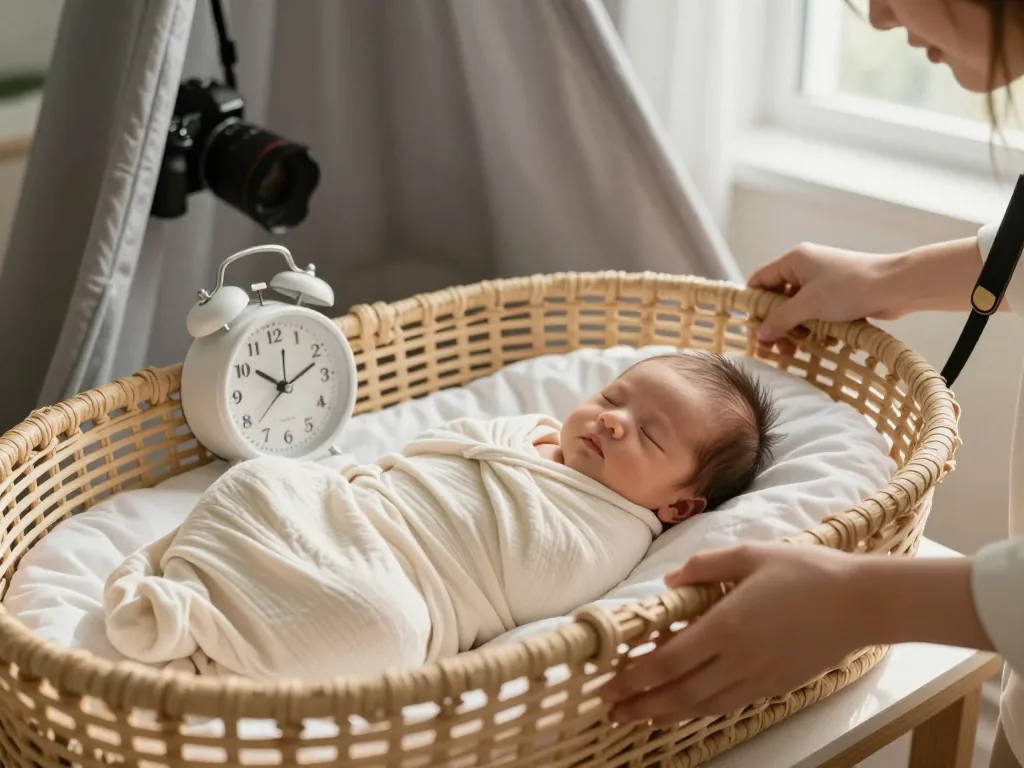
You’ve seen the breathtaking images—the sleepy curls, the tiny fingers wrapped around a parent’s thumb—but behind that perfect portrait lies a carefully choreographed dance of patience, feeding, and soothing. For new parents, the thought of a marathon photo session can feel as daunting as a middle-of-the-night feeding. This guide breaks down the entire professional newborn session minute by minute, from the moment the photographer walks in the door to the final click of the shutter. You’ll learn not just the total time investment, but exactly where those hours go, so you can walk in prepared, relaxed, and ready to enjoy the magic—without the anxiety of the unknown.
The Big Picture: Why 2 to 4 Hours Is Normal
If you’ve never booked a professional newborn session before, understand this right away: it’s not a quick “smile and snap” portrait sitting. A professional newborn session is slow and baby-led. The 2-to-4-hour window you’ll see on most photographers’ websites isn’t padding—it’s a necessity. That time covers feeding, diaper changes, cuddling, soothing, and multiple setups, not just the camera clicks. Most experienced photographers book a 3-hour block as their standard, precisely because newborns are unpredictable. Some babies sleep like angels for two straight hours; others need forty-five minutes of rocking just to settle into a curly pose. The photographer builds that flexibility in so you never feel rushed and your baby never gets stressed.
What Actually Happens During Those Hours
Here’s a rough minute-by-minute breakdown of a typical session.
Arrival and settling (15–20 minutes): You arrive, unpack the diaper bag, and take a breath. The studio is kept warm—around 80°F—so your baby is comfortable in just a diaper or light wrap. This first quarter-hour is about letting your newborn adjust to the new environment, the temperature shift, and unfamiliar scents. If your baby is hungry, feed them right away; a full tummy is the single best predictor of a sleepy, cooperative session.
Active photography (1 to 2 hours): Here’s the reassuring part—only about half your total time has the camera actually in hand. During that window, the photographer moves through several setups: a beanbag pose with wraps, a basket or bowl prop, a parent-holding shot, maybe a close-up of tiny toes or lips. Each setup demands careful positioning, adjusting tiny fingers, and waiting for the moment your baby’s breathing steadies. A single “simple” pose can take 10–15 minutes to achieve safely.
Care breaks (45–60 minutes total): This hidden chunk surprises most parents. Feeding, burping, and soothing can easily consume an hour across the session. Newborns eat every 2–3 hours, and a hungry baby won’t pose. So you pause, nurse or bottle-feed, wait for a good burp, then rock your baby back to sleep. Add a diaper blowout or two, and you see why a 45-minute “mini session” rarely suits classic posed newborn photography. The photographer expects these breaks—they’re part of the rhythm, not an interruption. Come prepared to be patient, and trust that every feeding and cuddle builds toward those timeless images you’ll treasure forever.
The Golden Window: Why Timing Matters (Days 5–14)
Your baby’s age is the biggest factor in how long your session takes—not the photographer’s speed or how many outfits you bring. Professional photographers almost universally schedule newborn shoots within the first five to fourteen days after birth, and this isn’t just a stylistic preference. During this “golden window,” your baby is still in that deep, womb-like sleepiness that makes posing remarkably efficient. They curl into those classic froggy poses with minimal resistance, tolerate being moved, wrapped, and unwrapped dozens of times, and often sleep straight through entire setup changes. After day fourteen, the neurological shifts are dramatic. Babies become more alert, their startle reflex strengthens, and they’re far more sensitive to light, sound, and temperature. What might have taken two hours at day nine can easily stretch to four or five hours at day sixteen—not because the photographer is slower, but because your baby now needs frequent soothing breaks, feeding pauses, and re-settling sessions just to get one clean shot.
Scheduling Around Your Baby’s Natural Rhythms
Most professional newborn sessions are scheduled in the morning, and that’s not arbitrary. After a night feed, babies are typically at their deepest, most restorative sleep phase, so they’re far more likely to stay asleep through the tactile stimulation of posing. A 9:00 AM or 10:00 AM start is common, letting the photographer capitalize on that post-feed drowsiness before the baby’s natural alertness kicks in later in the day.
Here’s a counterintuitive tip that will save you significant time: your photographer will likely ask you to keep your baby awake for about an hour before you arrive. This sounds cruel, but it’s strategic. A slightly overtired baby—not a colicky one—will sleep more deeply and resist waking less during the shoot. If your baby arrives already napping, they’ll rouse easily during the first pose change, and you’ll spend the next thirty minutes trying to get them back down. So plan for a gentle “wake window” of play, diaper changes, and quiet interaction in the car or waiting room. This small effort can shave forty-five minutes off your total session time. It’s the difference between a smooth, two-hour experience and a marathon that tests everyone’s patience.
Arrival and Settling: The First 15–20 Minutes
The clock on your newborn session doesn’t start with the first click of the shutter—it starts with a slow, deliberate exhale. When you walk into the studio, the priority isn’t posing; it’s comfort. Your baby has just made a car journey, been unswaddled, and is suddenly in an unfamiliar, warm space. The first quarter of an hour is devoted entirely to letting everyone catch their breath. You’ll arrive, settle into a soft chair, and likely feed your baby again—even if you fed right before leaving the house. Newborns are unpredictable, and a full tummy is the single best predictor of a sleepy, pliable subject.
Meanwhile, the studio is doing its quiet work. Professional newborn rooms are kept deliberately toasty—often between 26°C and 28°C—because a warm room keeps babies in that deep, milk-drunk sleep where their limbs go limp and their little fists uncurl. As you feed, the photographer will review your pre-session questionnaire and chat through any specific shots you’ve requested, such as parent holds, sibling cuddles, or a particular prop you brought from home. This is also the moment to flag preferences: “We don’t want naked shots,” or “We’d love a close-up of his eyelashes.” That conversation happens before the camera comes out, not during, which is why the session feels unhurried rather than rushed.
What to Bring and How to Prepare
Pack strategically to make those first 20 minutes smooth. Bring extra formula or expressed breast milk, plus a couple of bottles—even if you exclusively breastfeed. Many babies cluster-feed during sessions, and a 30–60 ml top-up can buy you forty minutes of deep sleep. A pacifier is your secret weapon for soothing between poses, and a lightweight swaddle blanket (not the studio’s wraps) can help your baby feel secure during transitions. For you? Pack a change of clothes. Baby messes aren’t a matter of if but when—a surprise spit-up or diaper leak can happen mid-hold, and you’ll want a fresh top for those parent portraits.
Arrive with a fed and recently changed baby, but mentally prepare to feed again immediately. That’s normal, not a sign that something is wrong. The photographer expects it, the schedule allows for it, and your baby is simply regulating in a new space. The goal of these first 15–20 minutes isn’t to “get started” but to get settled—because once your baby is deeply asleep and your own shoulders drop away from your ears, the real magic begins.
Feeding and Soothing: The Hidden Time Sink
Ever wonder why a session that looks like it should take an hour stretches into three? The answer almost always comes down to one word: feeding. A newborn’s stomach is tiny, and they need to eat every 1.5 to 2 hours, without exception. A hungry baby will not pose—they’ll squirm, cry, and refuse to settle into even the most comfortable prop. That’s why professional photographers treat feeding not as an interruption, but as a scheduled, expected part of the workflow. Most sessions build in two to three dedicated “feed breaks,” and each one can easily consume 20 to 40 minutes of clock time. And that’s not just the nursing or bottle itself—it’s the burping, the diaper check, the inevitable spit-up cleanup, and then the slow, careful re-swaddling.
Then comes soothing, which is its own hidden time sink. Rocking, shushing, bouncing on a yoga ball, or running white noise—these aren’t optional extras; they’re the bridge between feeding and sleeping. If your baby is gassy or fussy, that bridge can feel very long. A photographer might spend ten minutes just getting a baby to a calm, drowsy state, only to have them startle awake the moment they’re placed on the beanbag. This is normal. It’s also why the actual “shooting” window is often much shorter than the total session time. You may only get 45 minutes of usable photography out of a three-hour block, and that’s perfectly standard.
Why Patience Is Your Best Tool
The single most counterproductive thing a parent can do is rush the feed. Push a baby to finish before they’re ready, or try to skip a burp to save time, and you’ll almost certainly trigger a spit-up or a gassy meltdown—which costs far more time than the extra five minutes of burping would have. A rushed feed also leaves the baby in a state of mild digestive discomfort, making them harder to soothe for the next hour. Patience here isn’t just a virtue; it’s a time-management strategy.
Trust the photographer’s rhythm. They’ve done this hundreds of times, and they know exactly when to pause, when to wait, and when to pivot to a different pose or setup. If they suggest stopping mid-pose to let the baby nurse again, don’t argue—they’re reading the baby’s cues, not their watch. Your job is to stay calm, keep the room quiet, and let the professional guide the pace. The more you relax, the faster the baby settles, and the sooner you’ll get back to beautiful images.
The Active Photography Window: 1 to 2 Hours of Real Shooting
Once the baby is fed, swaddled, and finally drifting into that deep, milk-drunk sleep, the clock starts ticking on the “active” portion of your session. This is the heart of the shoot—the 60 to 120 minutes when the photographer is actually behind the camera, moving through poses and setups. Don’t mistake this for the entire appointment; you’ll still have arrival, feeding, soothing, and cleanup time before and after. But this window is where the magic happens, and it’s more structured than you might expect.
When your newborn is in that profound sleep, the photographer works quickly but with deliberate, feather-light hands. This is the only time they can safely and successfully capture those classic curled poses—the froggy pose, the chin-on-hands, the side-lying tuck—because a deeply sleeping baby is pliable and relaxed. Expect the photographer to spend 10 to 20 minutes per pose, and that includes the slow, careful repositioning of limbs, the gentle adjustment of a head, and the soothing pats to keep baby asleep. Over the course of that 1- to 2-hour window, you’ll typically see 3 to 5 different setups, ranging from a simple close-up of tiny toes and eyelashes to a full prop scene with a basket or crate. Each setup is a mini-production: the photographer will check the light, lay down the backdrop, place the heating pad, and only then place your baby.
Multiple Setups and Outfit Changes
Between each pose, there’s a flurry of activity that often surprises parents. The photographer will swap out wraps, change the color of the knit hat, switch the backdrop from cream to dusty blue, or bring in a new prop. These transitions are not just aesthetic—they give the baby a micro-break, and the gentle movement often keeps them asleep. Each change takes 5 to 10 minutes, which is why a session with many outfits can stretch toward the 2-hour mark. If you’ve brought a variety of outfits, the photographer will likely choose the simplest, softest options for the early poses, saving any elaborate or scratchier fabrics for later.
Parent and sibling shots are almost always saved for the end of this active window. By that point, the baby is still calm but may be starting to stir, and the photographer can work faster because these poses are less intricate—you’re holding the baby, or lying beside them, so there’s less delicate positioning required. This is also a strategic choice: it uses the baby’s remaining sleepiness while giving you a chance to step in, and it means if baby wakes up during the family portion, you’re already done with the high-risk solo poses. So when you see the photographer shift to “let’s get mom in,” know that you’re in the final stretch, and the real shooting portion is winding down.
Buffer Time: Why Photographers Build in Extra Minutes
Here’s the honest truth most galleries won’t tell you: even a flawless newborn session rarely runs to the minute. That’s why every experienced photographer pads the schedule with 30 to 60 minutes of what we call “buffer time.” This isn’t wasted clock—it’s your insurance against a rushed, stressful experience. Think of it as a built-in cushion for the unpredictable: a surprise blowout right after you’ve zipped the onesie, spit-up landing on the only perfectly draped wrap, or a baby who decides the 45-minute mark is the perfect time to wake up screaming. Without this buffer, a photographer would have to choose between cutting your session short or running late for their next family—and neither option serves you. With it, you get a calm, unhurried atmosphere where the baby’s needs come first, not the clock.
What Happens When the Baby Is Fussy or Awake
Even with buffer time, some sessions hit a rough patch. A professional won’t just sit and watch the clock tick. Instead, they’ll pivot strategically. The first move is often to switch the order of shots: they’ll smoothly transition to parent-only portraits or sibling-only images while the baby is being soothed. This uses the time productively and gives you gorgeous shots you might have skipped otherwise. Next, they’ll pull out different soothing techniques—a warm bath (many studios have a small tub on hand), a gentle rock in a padded chair, or a switch to a different swaddle with more stretch. These aren’t gimmicks; they’re physiological triggers that help newborns relax into deeper sleep.
But what if the baby is truly inconsolable—crying nonstop for 20 minutes, arching their back, or refusing to latch onto a pacifier? The most professional response is to reschedule. Reputable photographers almost always offer a backup date within a few days, often at no extra charge (though a small retainer fee may apply if you reschedule on your end). This is not a failure; it’s a sign of experience. A newborn’s nervous system is immature, and forcing a session can produce tense, unhappy images. In that case, the photographer will likely suggest a short, low-pressure “cuddle session” later in the week instead. Remember, the buffer time exists to absorb these hiccups, but it has limits—and a good photographer will always be honest with you about when to call it. For a standard session (2–3 hours), expect to pay anywhere from €250 to €600 in most European markets, with the buffer time included in that rate.
Parent and Sibling Shots: A Special Time Block
Your newborn is the star, no question. But the photos that end up above the mantelpiece? Often the ones with everyone in them. Those portraits are priceless emotionally, yet they demand a different kind of time investment than solo baby shots. Siblings, especially toddlers, run on a short and unpredictable attention span. So photographers typically schedule this part strategically. Family shots often happen early, right after a full feed when the baby is in that deep, milk-drunk sleep—or sometimes at the very end, if the older kids are calm and cooperative. The goal is to capture genuine, connected moments before a meltdown, from anyone, derails the flow.
Parent-only shots sound simpler, but they still take careful choreography. The photographer adjusts posing for two adults, repositions lighting to flatter your faces, and makes sure the baby’s wrap or prop looks natural in your arms. This isn’t a quick point-and-shoot. It’s a deliberate setup that relies on patience and communication. Expect this entire block—siblings, parents, and combinations—to take roughly 20 to 30 minutes of the total session. That includes the inevitable pauses: a toddler readjusting, a baby stirring, a parent switching positions.
How to Make Family Shots Go Smoothly
A little preparation can cut both stress and clock time. First, bring a secret weapon for your older kids: a small, quiet snack or a brand-new, tiny toy. Introduce it between takes, not during, so it works as a reward for sitting still and gives them something to focus on besides the camera. Second, lean on wardrobe. Instruct everyone, including you and your partner, to wear simple, solid colors in a coordinated—not matching—palette. Skip busy patterns, large logos, and neon. Solid neutrals or soft earth tones keep the focus on your family’s faces and the baby’s delicate features, not a striped shirt. Finally, manage your expectations. If the toddler’s done, the photographer will pivot gracefully. Trust their expertise; a wriggling sibling can sometimes yield the most candid, joyful result, even if it wasn’t the plan. Keep this block structured but flexible, and you’ll leave with the treasured family portraits you wanted—without feeling like you spent the whole session herding cats.
Planning Your Day: Practical Tips for a Stress-Free Session
The single biggest mistake parents make when booking a newborn session is assuming it will behave like a standard appointment—a neat hour-long block with a predictable finish time. It won’t. A professional newborn session typically runs anywhere from 2.5 to 4 hours, and that’s just the shooting time. The biggest scheduling error is booking something—anything—for right after. You will need at least three hours of completely uninterrupted time, plus travel to and from the studio. Do not book a pediatrician visit, a family lunch, or a work call for that day. Plan for the session to run long, and treat the entire day as a blank canvas reserved solely for this experience. If the photographer says “plan for three hours,” assume four. If they say “four,” assume five. The margin is your friend.
What to Expect After the Session
Once the final shot is captured, the pace shifts, but your job isn’t quite done. The photographer will immediately review the images on a computer or monitor, checking for sharp focus, closed eyes, and any stray fabric wrinkles. This review is quick, but it’s also your cue to begin the slow transition back to reality. Before you leave, confirm the timeline for proofs—most professional photographers deliver a gallery within 1 to 2 weeks, though some premium studios may take up to three. Ask for a specific date, not a vague “soon,” so you can manage your own expectations.
Here’s the part no one warns you about: you will feel genuinely tired. Newborn sessions are not just physically demanding for the baby—they are emotionally and physically draining for parents too. You’ve spent hours hovering, soothing, feeding, and shushing in a warm, darkened room. Adrenaline carried you through; now it’s crashing. Expect a wave of fatigue on the drive home. And speaking of the drive: allow extra time, because your baby is likely overstimulated. The gentle rocking of the car seat may finally lull them into a deep sleep, but they may also be fussy and need a feed before you even leave the parking lot. Don’t rush this. Pack a bottle or have nursing access ready, and plan for a 15-minute decompression session in the studio lobby or your car. A calm exit ensures you leave with beautiful images—and a happy, settled baby.
Conclusion
A professional newborn photo session usually takes two to four hours. Most of that time isn’t spent taking pictures—it’s spent feeding, soothing, and safely posing your baby. That unhurried pace is intentional. It protects your newborn’s comfort and sleep cycles, which are essential for those serene, curled-up shots. Plan for a relaxed morning or afternoon. Bring snacks and patience. The “extra” time is part of the magic. Your next step: book a photographer who outlines this schedule upfront. Then clear your calendar and let the day unfold at your baby’s rhythm.
Frequently asked questions
How long does a typical professional newborn photo session last?
A standard newborn session usually takes between 2 and 4 hours. This extended time is necessary because newborns need frequent feeding, burping, and soothing breaks, and the photographer must work around their sleep cycles to capture those precious curled-up poses.
Why does a newborn session take so much longer than a regular portrait session?
Unlike adults or older children, newborns have no schedule and need to be handled gently and patiently. The photographer spends a significant portion of the session calming the baby, changing positions, and waiting for the right moments of deep sleep, which can take 30–60 minutes just to achieve.
Does the actual shooting time differ from the total time I should budget?
Yes, the actual camera-in-hand time is often only 60–90 minutes, but the total session time includes settling the baby, feeding, diaper changes, and set or prop adjustments. You should plan for the full 2–4 hours, not just the active shooting portion, so you aren’t surprised by the length.
What factors can make a newborn session run longer than average?
Factors like a fussy or colicky baby, a baby who is very alert and doesn't want to sleep, or a session with multiple outfit or prop changes can extend the time. Also, if the baby needs extra feedings or has a sensitive tummy, the photographer will pause frequently, adding 30–60 minutes to the total.
Is 2 hours the minimum, or can a session be done faster?
While some very cooperative newborns might allow a session to wrap up in about 1.5–2 hours, most photographers schedule a minimum of 2 hours. Attempting to rush can lead to a stressed baby and poor images, so it's rarely recommended to try for a shorter session.
How much of the session is spent actually posing the baby versus caring for them?
On average, only about 30–40% of the session is spent on active posing. The remaining 60–70% is dedicated to feeding, burping, soothing, and letting the baby settle into a deep sleep, which is essential for safe and comfortable poses.
Should I plan for extra time if I have older siblings in the photos?
Yes, adding older siblings typically adds 30–45 minutes to the session. Sibling shots are usually done first, while the newborn is still calm, but coordinating sibling patience and the newborn's state can easily extend the total to 3.5–4 hours.
What is a realistic time frame for a session that includes parent poses only (no siblings)?
Parent-only poses are usually done at the end of the session, after the baby's solo shots. This adds about 20–30 minutes, bringing the total to roughly 2.5–3.5 hours, depending on how quickly the baby settles and how many parent combinations you want.
If my baby is sleeping perfectly, can we finish in under 2 hours?
It's possible, but rare. Even with a deeply sleeping baby, the photographer still needs time to set up props, adjust lighting, and carefully move the baby between poses. A smooth session might finish at 1 hour 45 minutes, but most photographers still block out 2.5 hours to allow for unexpected fussiness.
How should I plan my day around the session length?
Plan to have the entire morning or afternoon free, and avoid scheduling anything immediately after the session. Since the session can run up to 4 hours, you should also prepare for feeding breaks and a relaxed environment at home, as the photographer may need to pause for your baby's needs at any moment.